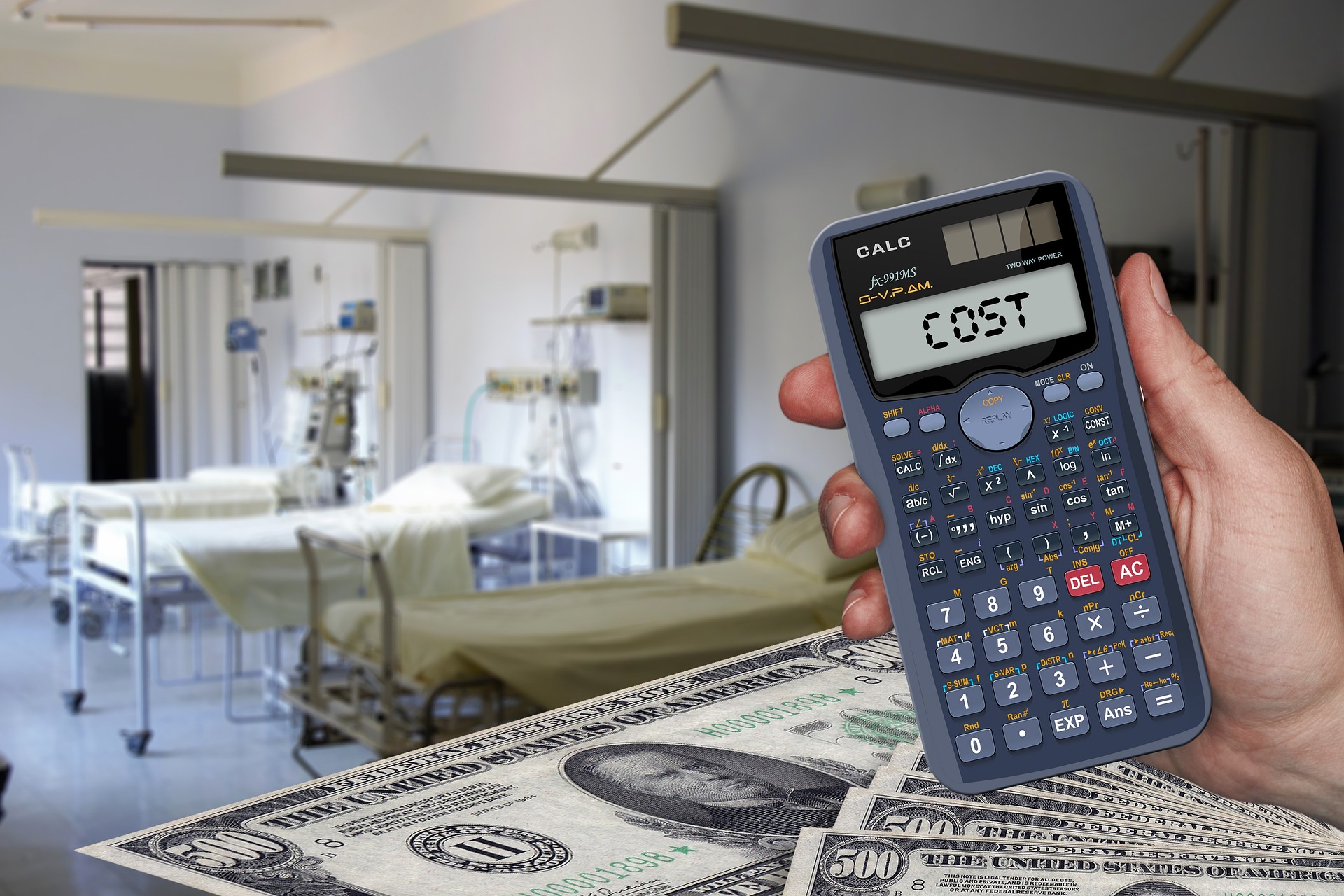
Unexpected expenses are a normal part of life. A vehicle may suddenly need repairs, an appliance can stop working, a medical bill may arrive, or an urgent trip may become necessary. Even when you carefully manage your money, some costs simply cannot be predicted.
The problem is that an unexpected expense can quickly disrupt a household budget, especially when there isn’t enough money in savings to cover it.
The good news is that you can prepare for financial surprises. A combination of emergency savings, careful budgeting, spending priorities, and responsible borrowing can make unexpected costs much easier to manage.
This guide explains the best ways to handle unexpected expenses without unnecessarily damaging your finances.
What Counts as an Unexpected Expense?
An unexpected expense is a cost that wasn’t included in your normal monthly budget or wasn’t reasonably expected at that particular time.
Examples may include:
- Emergency vehicle repairs
- Broken household appliances
- Urgent travel
- Unexpected medical or dental costs
- Emergency home repairs
- Temporary loss of income
- Replacing essential equipment
- Unplanned family expenses
However, not every large expense is truly unexpected.
Annual insurance, school fees, holiday spending, vehicle registration, or routine maintenance may be predictable even if they don’t happen every month.
This distinction is important because predictable expenses should generally be handled through sinking funds, while genuine emergencies are better handled through an emergency fund.
1. Don’t Panic
When an unexpected bill arrives, the first reaction may be stress.
Before making a financial decision, stop and assess the situation.
Ask:
How urgent is this expense?
How much does it actually cost?
Do I need to pay the entire amount immediately?
Can I negotiate or arrange a payment plan?
Can I use savings instead of borrowing?
A few minutes of careful thinking can prevent an expensive financial decision.
2. Determine Whether It Is a True Emergency
Not every unexpected expense needs to be paid immediately.
Consider three categories.
Emergency
Something that affects basic safety, housing, health, or the ability to work.
Important but delayable
Something that should be addressed soon but can potentially wait.
Non-essential
Something unexpected but not necessary.
For example, a broken refrigerator containing essential food may require immediate attention.
Buying a new television because the old one is outdated probably isn’t an emergency.
Prioritising correctly protects your finances.
3. Check Your Emergency Fund
An emergency fund is money specifically reserved for unexpected financial situations.
If you have:
$2,000 emergency savings
and face a:
$600 emergency expense
you may be able to pay it without taking on new debt.
Afterwards, your emergency fund becomes:
$2,000 − $600 = $1,400
The next step should be rebuilding the fund.
4. Start an Emergency Fund Before You Need It
The best time to prepare for an emergency is before one occurs.
If you currently have no emergency savings, start small.
You could begin with:
$100
Then:
$250
Then:
$500
Eventually, aim for a larger reserve based on your essential expenses and circumstances.
Even small savings can provide useful protection.
5. Keep Emergency Savings Separate
Don’t mix your emergency fund with your everyday spending money if you can avoid it.
A separate savings account can make it easier to see what money is available for emergencies and what money is available for normal spending.
The purpose is simple:
Everyday money → regular expenses
Emergency savings → genuine emergencies
6. Build a Starter Emergency Fund
If you’re dealing with debt or a limited income, building a huge emergency fund immediately may be unrealistic.
Start with a small target.
For example:
First target
$250
Second target
$500
Third target
$1,000
Then gradually increase it.
The appropriate amount depends on your household expenses, income stability, and financial responsibilities.
7. Create a Monthly Buffer
An emergency fund isn’t the only protection against unexpected expenses.
A small monthly buffer can cover minor surprises.
For example, if your monthly income is $2,500, you might deliberately leave:
$50–$100
unallocated.
That money can cover small unexpected costs without forcing you to withdraw from long-term savings.
8. Track Your Spending
When money is tight, understanding your normal spending is essential.
Track:
- Housing
- Food
- Transportation
- Utilities
- Debt
- Insurance
- Entertainment
- Shopping
- Subscriptions
Once you know where your money goes, you can identify areas that could temporarily be reduced if an emergency occurs.
9. Prioritise Your Bills
If an unexpected expense creates a temporary cash shortage, don’t treat every bill equally.
Prioritise expenses based on consequences and necessity.
Generally, essential needs such as:
- Housing
- Basic utilities
- Food
- Essential transportation
- Insurance
- Necessary healthcare
should receive priority over non-essential spending.
Your exact priorities depend on your circumstances and local rules.
10. Temporarily Reduce Discretionary Spending
If you need to cover an unexpected expense, look at flexible spending.
You could temporarily reduce:
- Restaurant meals
- Entertainment
- Shopping
- Subscriptions
- Travel
- Non-essential upgrades
For example, if you normally spend $200 monthly on entertainment and reduce it to $50 for three months, you free up:
$150 × 3 = $450
That could help cover a significant unexpected bill.
11. Use Existing Savings Carefully
You may have savings for several purposes:
- Emergency fund
- Holiday
- Home purchase
- Education
- New vehicle
- General savings
If the expense is a genuine emergency, using savings can be better than taking expensive debt.
But don’t automatically empty every savings account.
Try to preserve at least some emergency reserve if possible.
12. Consider a Sinking Fund
A sinking fund is money set aside gradually for a specific future expense.
It is particularly useful for expenses that aren’t monthly but are reasonably predictable.
Examples:
- Car maintenance
- Insurance
- Annual fees
- School expenses
- Home repairs
- Gifts
- Holidays
Suppose you expect a $600 vehicle expense in six months.
You could save:
$600 ÷ 6 = $100 per month
When the expense arrives, the money is already available.
13. Review Your Insurance
Insurance can protect you against certain major financial risks.
Depending on your situation, this might include:
- Health insurance
- Vehicle insurance
- Home insurance
- Renters insurance
- Life insurance
Insurance isn’t appropriate for every small expense, and policies have exclusions, deductibles, limits, and premiums.
Review your coverage periodically and understand what it actually protects.
14. Don’t Use High-Cost Debt Immediately
When an unexpected expense occurs, borrowing money can seem like the quickest solution.
But high-interest debt can turn a one-time problem into a long-term financial burden.
Before borrowing, understand:
- Interest rate
- Fees
- Total repayment
- Repayment schedule
- Penalties
- Whether the rate can change
Compare the total cost, not just the monthly payment.
15. Ask About Payment Plans
If an unexpected bill is large, contact the provider.
Depending on the type of expense, you may be able to arrange:
- Instalment payments
- A payment plan
- A later due date
- A reduced upfront payment
Don’t assume the only choices are paying everything immediately or borrowing from a lender.
Ask what options are available.
16. Negotiate Where Appropriate
Some bills may have room for negotiation.
Depending on the situation, you could ask:
“Is there a lower-cost option?”
“Can I receive a discount for paying upfront?”
“Is there an instalment plan?”
“Are there any fees that can be removed?”
You won’t always get a discount, but asking can sometimes create more manageable options.
17. Get Multiple Quotes for Major Repairs
If you need a major repair, don’t necessarily accept the first quote.
For example, if a vehicle repair is quoted at:
$1,200
another reputable provider might offer:
$900
If you can safely wait, compare:
- Price
- Warranty
- Parts
- Labour
- Reputation
- Timeline
The cheapest quote isn’t automatically the best option, but comparison can prevent unnecessary costs.
18. Avoid Unnecessary Emergency Upgrades
An emergency doesn’t necessarily mean you need the most expensive solution.
Suppose your washing machine breaks.
You might need:
A working washing machine
You may not need:
The latest premium model with every available feature
Focus on solving the actual problem.
19. Consider Temporary Alternatives
Sometimes a short-term solution can reduce immediate costs.
For example:
- Repair instead of replace
- Borrow an item
- Buy a reliable used item
- Use public transport temporarily
- Delay a non-essential purchase
However, don’t choose a temporary solution if it creates a safety risk or significantly higher costs later.
20. Use Credit Cards Carefully
A credit card may provide a short-term payment option, but only use it responsibly.
If you cannot repay the balance quickly, interest can significantly increase the cost.
Before using a credit card for an emergency, understand:
Purchase amount + interest + fees = total cost
If the expense is unavoidable, use the least expensive reasonable financing option available to you.
21. Be Careful With Payday Loans
Payday loans and similar short-term, high-cost borrowing can become extremely expensive.
They may appear convenient because approval can be quick, but the total cost can be substantial.
Before taking one, compare alternatives such as:
- Emergency savings
- Payment plans
- Assistance from trusted sources
- Lower-cost credit
- Employer assistance, where available
- Community resources
Always understand the full repayment amount before borrowing.
22. Don’t Borrow More Than You Need
If the emergency costs $800, borrowing $2,000 creates an unnecessary additional obligation.
Only borrow what is genuinely necessary, assuming borrowing is appropriate and affordable.
More debt means:
- More interest
- Larger repayments
- Greater financial pressure
23. Increase Income Temporarily
If an unexpected bill is manageable but you don’t currently have enough cash, temporary additional income may help.
Possibilities include:
- Extra work hours
- Freelancing
- Temporary work
- Selling unused items
- Small legitimate side jobs
For example, earning an extra:
$100 per week for four weeks = $400
That may cover part of a smaller emergency without taking on debt.
24. Sell Unused Items
Look around your home for things you no longer need.
Potential items include:
- Electronics
- Clothing
- Furniture
- Tools
- Books
- Sports equipment
Selling unused belongings won’t solve recurring financial problems, but it can help with a one-time expense.
25. Don’t Sacrifice Essential Needs
When facing an unexpected expense, avoid solving the problem by cutting essentials such as:
- Necessary food
- Required medication
- Essential utilities
- Safe housing
- Necessary transportation
Financial discipline doesn’t mean ignoring basic needs.
26. Avoid Using Retirement Savings Unless Necessary
Long-term retirement savings are designed for the future.
Taking money out early may result in:
- Taxes
- Penalties
- Lost investment growth
- Reduced retirement security
Depending on your country and account type, different rules may apply.
Before accessing retirement funds, understand the financial consequences.
27. Keep a List of Emergency Contacts
Preparation isn’t only about money.
Keep important information accessible, such as:
- Insurance details
- Bank information
- Repair providers
- Utility contacts
- Employer information
- Important documents
Being organised can make emergencies less stressful.
28. Build an Emergency Budget
You can create a temporary emergency budget for periods when money is especially tight.
For example:
Essential
- Housing
- Food
- Utilities
- Transportation
- Insurance
Temporary reductions
- Dining out
- Shopping
- Entertainment
- Non-essential subscriptions
Pause if appropriate
- Large discretionary purchases
- Optional upgrades
- Non-essential travel
This gives you a clear plan instead of making decisions under stress.
29. Learn From Every Emergency
Once the situation is resolved, ask:
What happened?
How much did it cost?
Could I have predicted it?
Was I financially prepared?
What can I do differently next time?
For example, if a vehicle repair cost $900, you might decide to create a car-maintenance sinking fund.
The goal is to turn unexpected financial experiences into better future preparation.
30. Rebuild Your Emergency Fund
If you use emergency savings, rebuilding should become a priority.
Suppose you had:
$2,000
and used:
$700
Remaining:
$1,300
Once the emergency is over, redirect some available money toward rebuilding the $700.
Don’t consider the job finished just because the bill was paid.
31. Make Emergency Savings Automatic
Once your emergency fund is established, automate contributions if possible.
For example:
$25 every payday
or:
5% of income
Automation reduces the need to remember to save.
Even small contributions can gradually build a meaningful reserve.
32. Protect Your Emergency Fund From Everyday Spending
Don’t use emergency savings for:
- Regular shopping
- Entertainment
- Holidays
- Unplanned dining out
- Routine lifestyle upgrades
If you repeatedly use the fund for ordinary expenses, it won’t be available when a genuine emergency occurs.
33. Build Financial Flexibility
The best protection against unexpected expenses isn’t one specific strategy.
It’s a combination of:
Emergency savings
Controlled spending
Stable income
Insurance where appropriate
Low-cost debt
Good financial planning
The stronger each part becomes, the more resilient your finances are likely to be.
34. Example: Handling a $1,000 Emergency
Imagine you suddenly need:
$1,000
for an essential repair.
You have:
$600 emergency savings
and:
$200 available in your monthly budget
You are still short:
$200
Instead of immediately borrowing $1,000, you could potentially:
- Use the $600 emergency fund.
- Use $200 from available cash flow.
- Ask the provider whether the remaining $200 can be paid later.
- Reduce discretionary spending temporarily.
- Find additional income if necessary.
This illustrates why having several financial tools is useful.
35. What If You Have No Emergency Savings?
If an unexpected expense happens and you have no savings, focus on finding the least damaging solution.
Consider:
Step 1
Determine whether the expense is truly urgent.
Step 2
Ask the provider about payment arrangements.
Step 3
Check whether insurance covers part of the cost.
Step 4
Look for lower-cost alternatives.
Step 5
Review available savings.
Step 6
Consider temporary additional income.
Step 7
If borrowing is unavoidable, compare the total costs carefully.
Once the crisis is resolved, start building a small emergency fund.
36. Create an Emergency Expense Checklist
When an unexpected expense occurs, ask:
- Is this genuinely urgent?
- How much will it cost?
- Can I reduce the cost?
- Can I delay it safely?
- Can I negotiate the bill?
- Does insurance cover it?
- Do I have emergency savings?
- Can I use a sinking fund?
- Is there a payment plan?
- What is the cheapest responsible borrowing option?
- How will I rebuild my savings afterwards?
This checklist can prevent emotional financial decisions.
37. Common Mistakes to Avoid
Using credit immediately
Explore lower-cost options first.
Emptying all savings
Try to preserve some reserve where possible.
Ignoring the bill
Avoiding an expense doesn’t make it disappear.
Paying without comparison
For major purchases or repairs, compare reasonable alternatives.
Borrowing more than necessary
Keep debt as small as possible.
Using emergency savings for wants
Protect the fund for genuine needs.
Forgetting to rebuild savings
Once the emergency passes, restore your financial buffer.
38. A Simple Emergency Fund Strategy
If you’re starting from zero, try this approach:
Stage 1
Save $100.
Stage 2
Increase it to $250.
Stage 3
Build toward $500.
Stage 4
Reach $1,000 if your circumstances allow.
Stage 5
Work toward a larger reserve based on your essential monthly expenses.
The appropriate emergency fund depends on factors such as income stability, household size, employment, insurance, and necessary expenses.
39. A Simple Monthly System
You can make emergency preparedness part of your normal budget.
For example:
Income: $2,500
Allocate:
- Essential expenses: $1,700
- Debt repayment: $250
- Emergency savings: $100
- Sinking funds: $100
- Flexible spending: $250
- Buffer: $100
Total:
$2,500
This is only an example, but it shows how emergency preparation can become part of normal financial planning.
40. Final Thoughts
Unexpected expenses are unavoidable, but financial emergencies don’t have to become financial disasters.
The strongest strategy is to prepare before problems occur.
Start by building an emergency fund, even if you can only save a small amount. Track your spending so you understand your financial limits. Use sinking funds for expenses that are predictable but don’t occur every month. Review insurance coverage where appropriate and avoid unnecessary high-cost debt.
When an unexpected expense occurs, don’t panic.
First determine whether it is truly urgent. Find out exactly how much it will cost. Ask whether the expense can be reduced, delayed, repaired, negotiated, or paid through an instalment arrangement.
If you have emergency savings, use them carefully. If you need to borrow, compare the total cost of different options and avoid borrowing more than necessary.
After the emergency is resolved, rebuild your savings.
Remember that the purpose of an emergency fund isn’t to prevent unexpected expenses from happening. You can’t control everything that happens in life.
Its purpose is to make those expenses less financially damaging.
Even a small reserve can provide breathing room when something goes wrong. Over time, combining emergency savings with a realistic budget, controlled spending, appropriate insurance, and responsible debt management can create a much stronger financial safety net.
Leave a Reply