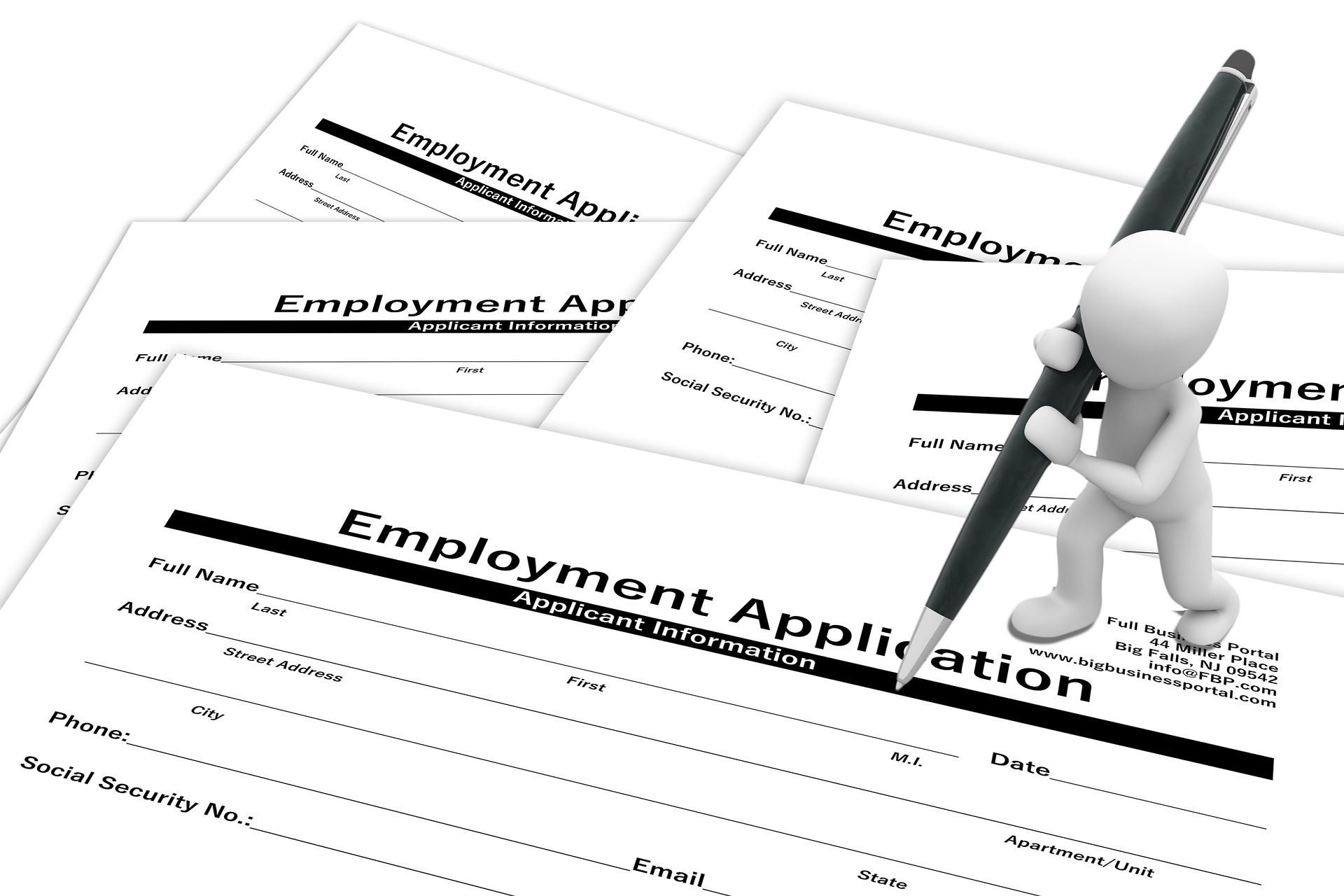
Applying for a loan online can be much faster and more convenient than visiting a bank or financial institution in person. With a computer or smartphone and an internet connection, borrowers can compare lenders, check eligibility, submit applications, upload documents, and sometimes receive a lending decision without leaving home.
However, convenience should not mean rushing into debt. An online loan is still a financial commitment, and borrowers should understand the interest rate, fees, repayment schedule, eligibility requirements, and total cost before accepting an offer.
The online application process can also vary considerably between lenders. Some lenders provide a short application and a rapid decision, while others require extensive documentation and additional verification.
This step-by-step guide explains how online loan applications generally work, what borrowers should prepare, how to compare offers, how credit checks may affect an application, what happens after approval, and how to identify potentially fraudulent or unsuitable loan offers.
What Is an Online Loan?
An online loan is a loan that can be applied for, processed, or managed through a lender’s website or digital platform.
Depending on the lender and product, an online loan may be used for:
- Personal expenses
- Emergency costs
- Debt consolidation
- Home improvements
- Vehicle repairs
- Education
- Major purchases
- Other eligible expenses
Online lending is available in many forms, including personal loans, business loans, student financing, auto financing, and other credit products.
The exact requirements depend on the type of loan.
For this guide, the focus is primarily on online personal loans.
Step 1: Decide Whether You Actually Need a Loan
Before opening an online loan application, take a step back and determine whether borrowing is necessary.
Ask yourself:
- What do I need the money for?
- How much do I actually need?
- Can I pay for the expense from savings?
- Can I reduce the cost of the purchase?
- Could I delay the expense?
- Is there a cheaper financing option?
- Can I comfortably afford another monthly payment?
Borrowing money can solve an immediate problem, but it also creates a future obligation.
If you need $3,000, for example, borrowing $10,000 simply because you qualify for it can create unnecessary interest costs.
The best starting point is to determine the smallest amount that solves your actual financial need.
Step 2: Understand the Type of Loan You Need
Not every loan is appropriate for every purpose.
A personal loan might be suitable for some expenses, while other financing products could be more appropriate for specific purchases.
Before applying, understand whether you need:
- A personal loan
- Auto financing
- Home financing
- Business financing
- Student financing
- A credit card
- Another type of credit
If you’re considering a personal loan, determine whether it is secured or unsecured.
An unsecured personal loan generally does not require specific collateral.
A secured loan is backed by an asset, which can create additional consequences if you fail to repay.
Understanding the product before applying helps you compare the right offers.
Step 3: Check Your Credit Profile
Your credit history can significantly influence your borrowing options.
Before applying, review your credit information if possible.
Look for:
- Incorrect accounts
- Incorrect payment information
- Accounts you do not recognize
- Outdated information
- Incorrect personal details
- Other potential errors
Credit reports can contain mistakes.
Finding errors before applying gives you an opportunity to investigate and address them through the appropriate process.
Your credit score can also provide a general indication of how lenders may view your application, although lenders use different scoring and underwriting systems.
Step 4: Calculate Your Income
Before completing an application, know how much you earn.
Depending on the lender, you may need to provide:
- Annual income
- Monthly income
- Employment information
- Employer name
- Length of employment
- Additional income sources
Your income might include salary, wages, self-employment earnings, commissions, or other eligible sources.
Do not inflate your income simply to improve your chances of approval.
Provide accurate and verifiable information.
Step 5: Calculate Your Existing Debt
Income alone does not tell the complete story.
A lender may also consider your existing debt obligations.
Make a list of monthly payments such as:
- Mortgage or rent-related debt obligations
- Car loans
- Student loans
- Credit cards
- Existing personal loans
- Other recurring debt payments
Then compare your debt payments with your gross monthly income.
This is related to your debt-to-income ratio, commonly called DTI.
A simplified formula is:
DTI = Monthly debt payments ÷ Gross monthly income × 100
For example:
Gross monthly income: $5,000
Monthly debt payments: $1,000
DTI:
$1,000 ÷ $5,000 × 100 = 20%
If the new loan adds another $300 monthly payment, your debt obligations would become $1,300.
The resulting DTI would be:
$1,300 ÷ $5,000 × 100 = 26%
Different lenders have different standards, so this calculation does not guarantee approval.
Step 6: Determine How Much You Can Afford
Once you know your income and current debts, create a realistic budget.
Consider your regular expenses, including:
- Housing
- Food
- Utilities
- Transportation
- Insurance
- Healthcare
- Childcare
- Existing debt payments
- Savings
- Other essential expenses
Then determine how much money remains for a new loan payment.
Don’t rely solely on the amount a lender says you qualify for.
A lender may approve a loan that is technically within its underwriting criteria but still uncomfortable for your personal budget.
Step 7: Research Potential Lenders
Now you can begin researching lenders.
Potential sources include:
- Banks
- Credit unions
- Online lenders
- Other legitimate financial institutions
Do not select the first lender that appears in a search engine.
Instead, compare several options.
Look at:
- APR
- Interest rate
- Loan amount
- Repayment term
- Fees
- Eligibility requirements
- Funding speed
- Payment options
- Customer service
- Early repayment rules
A few minutes of comparison can potentially save significant money over the life of a loan.
Step 8: Verify the Lender
Before entering personal information into an online loan application, verify that you are dealing with the legitimate lender.
Check:
- Official website
- Company information
- Contact details
- Physical business information where applicable
- Licensing or regulatory information where applicable
- Privacy policy
- Loan terms
Be cautious when clicking loan advertisements or links received through unexpected emails, text messages, or social-media messages.
Scammers can create websites that look remarkably professional.
Never assume that a polished website automatically means the company is legitimate.
Step 9: Watch for Loan Scams
Online borrowing creates opportunities for fraud.
Be particularly cautious if someone promises:
- Guaranteed approval
- Loans for everyone
- No verification
- No income requirements
- Extremely low rates for every applicant
- Instant approval regardless of credit
- Large loans without documentation
These claims should encourage you to investigate carefully.
Another significant warning sign is an unexpected demand for money before a promised loan is released.
A person may claim you need to pay an:
- Insurance fee
- Processing fee
- Security deposit
- Verification charge
- Government tax
- Release fee
before receiving the loan.
Never send money or sensitive personal information simply because someone promises guaranteed financing.
Step 10: Check the Lender’s Eligibility Requirements
Every lender has its own eligibility criteria.
You may need to meet requirements involving:
- Minimum age
- Residency
- Income
- Employment
- Credit history
- Bank account
- Identification
- Minimum or maximum loan amount
Read these requirements before starting the application.
If you clearly do not meet a lender’s requirements, applying may waste time and potentially create unnecessary credit inquiries depending on the application process.
Step 11: Use Prequalification When Available
Some lenders allow borrowers to check potential eligibility before submitting a full application.
This can be useful because you may be able to compare potential terms without immediately committing to a loan.
However, understand how the lender checks your credit.
A soft inquiry generally does not have the same effect as a hard credit inquiry.
A hard inquiry may be recorded on your credit report and can affect your credit profile.
Always read the lender’s explanation before proceeding.
Prequalification is also not a guarantee that the final loan will be approved.
Step 12: Compare APR Rather Than Only Interest Rate
One of the biggest mistakes borrowers make is comparing only the advertised interest rate.
The annual percentage rate (APR) can provide a broader picture of borrowing costs because it may incorporate certain fees along with interest, depending on the applicable rules and loan product.
Consider two hypothetical offers:
Loan A
Interest rate: 11%
Origination fee: $700
Loan B
Interest rate: 12%
Origination fee: $100
Loan B has a higher interest rate but could potentially have a lower overall cost depending on the loan amount and repayment term.
That’s why borrowers should compare the complete cost rather than focusing on one number.
Step 13: Gather Your Documents
Before starting the application, prepare the documents you may need.
Common requirements can include:
- Government-issued ID
- Proof of address
- Proof of income
- Pay statements
- Employment details
- Tax documents
- Bank-account information
- Existing debt information
Self-employed borrowers may need additional documentation such as:
- Tax returns
- Business records
- Invoices
- Contracts
- Profit-and-loss information
The exact requirements depend on the lender.
Having documents ready can make the application process much smoother.
Step 14: Start the Online Application
Once you have selected a legitimate lender and understand the terms, begin the application through the lender’s official website or verified application platform.
The application may ask for:
- Full name
- Address
- Date of birth
- Contact information
- Employment details
- Income
- Requested loan amount
- Loan purpose
- Financial information
Enter all information carefully.
A small mistake in your name, address, income, or identification information could delay the process.
Step 15: Enter Accurate Information
Accuracy is essential.
Do not guess your income if you have documentation available.
Don’t report a false employment status.
Don’t claim income that you cannot reasonably verify.
Don’t hide relevant debts if the application asks about them.
False information can lead to application rejection and potentially more serious consequences depending on the circumstances.
The best approach is simple:
Tell the truth and provide accurate information.
Step 16: Choose the Loan Amount
The application may ask how much money you want to borrow.
Choose the amount based on your actual need.
For example, if your necessary expense is $4,500, don’t automatically request $15,000 simply because the application allows it.
A larger principal means more money to repay and potentially more interest.
The goal should be to borrow enough to solve the problem without unnecessarily increasing your debt.
Step 17: Select the Repayment Term
Many personal loans provide several repayment-term options.
A shorter term generally means:
- Higher monthly payment
- Faster payoff
- Potentially lower total interest
A longer term may mean:
- Lower monthly payment
- Longer repayment period
- Potentially higher total interest
Consider both affordability and total cost.
Don’t choose a very long term simply because it makes the monthly payment look attractive.
Step 18: Review the Estimated Monthly Payment
The monthly payment is one of the most important figures in the application.
Ask yourself:
Can I comfortably make this payment every month?
Don’t forget that you still need to pay your other expenses.
For example, if your household budget is already tight, adding another $500 monthly payment could create significant financial stress.
A loan should fit into your budget rather than forcing your budget to revolve around the loan.
Step 19: Submit Required Documentation
Some online lenders can verify information electronically.
Others may ask you to upload documents.
You may need to submit:
- Pay stubs
- Bank statements
- Identification
- Tax returns
- Employment documents
Only upload documents through secure, legitimate channels.
Be cautious if someone asks you to send sensitive financial information to a random email address or messaging account.
Step 20: Understand the Credit Check
The lender may check your credit during the application.
The type of inquiry can vary.
A lender might perform a soft inquiry during an initial eligibility check and a hard inquiry during a full application.
Because practices vary, read the lender’s disclosures.
Multiple hard inquiries can potentially affect your credit profile, although credit-scoring models may treat certain rate-shopping activity differently depending on the type of credit and circumstances.
Step 21: Wait for the Lending Decision
After submitting the application, the lender may review your:
- Identity
- Income
- Employment
- Credit
- Debt
- Requested loan
- Other financial information
Some lenders can make decisions quickly.
Others may require additional verification.
A delay does not necessarily mean rejection.
It may simply mean that the lender needs additional information.
Step 22: Review the Loan Offer
If you are approved, don’t immediately click “Accept.”
Read the offer carefully.
Check:
- Loan amount
- Interest rate
- APR
- Monthly payment
- Repayment term
- Origination fee
- Other fees
- Total repayment amount
- Payment due date
- Late-payment terms
- Early repayment rules
Make sure you understand what you are agreeing to.
Step 23: Compare the Final Offer With Your Budget
An approved loan can look attractive because you finally have access to money.
But take a moment to reconsider.
Ask:
Can I afford this payment even if my expenses increase?
What happens if:
- Your income decreases?
- Your car needs repair?
- Your utility bills rise?
- You have a medical expense?
- You experience another emergency?
If the payment leaves no room for unexpected costs, the loan may be too large.
Step 24: Accept the Loan Only If It Makes Sense
If the loan is affordable and the terms are acceptable, you can proceed according to the lender’s instructions.
If the terms are too expensive, you are not necessarily required to accept simply because you were approved.
Approval does not obligate you to borrow.
Compare alternatives before committing.
Step 25: Understand How You Will Receive the Money
After accepting a loan, the lender may transfer the money to an eligible bank account or use another approved funding method.
Ask:
- When will the money arrive?
- Is there a funding fee?
- Is the transfer electronic?
- Are there processing delays?
- Is the deposited amount lower because of an origination fee?
For example, if you are approved for $10,000 but a $500 fee is deducted before funding, you may receive only $9,500 while still being responsible for repayment according to the loan agreement.
Read the terms carefully.
Step 26: Know When Your First Payment Is Due
Don’t wait for a reminder.
Find out:
- First payment date
- Monthly payment amount
- Payment method
- Payment deadline
- Grace period, if any
- Late fee
- Consequences of missed payments
Put the due date into your calendar or financial management system.
Step 27: Set Up Payments Carefully
If automatic payments are available, they can help prevent missed payments.
However, you must ensure that sufficient funds are available.
If an automatic payment fails, you could potentially face:
- Late fees
- Returned-payment fees
- Negative credit reporting
- Other consequences
Check your account before scheduled payments.
Step 28: Keep Records of the Loan
Save copies of:
- Loan agreement
- Payment schedule
- Confirmation emails
- Statements
- Payment receipts
- Correspondence with the lender
Digital loans can generate large amounts of electronic documentation.
Keep important records somewhere secure.
If a dispute occurs later, documentation can be extremely valuable.
Step 29: Make Payments on Time
Payment history is important for your financial health.
Missing payments can result in additional charges and potentially negative credit reporting.
Set reminders or automatic payments if appropriate.
If you expect to have trouble making a payment, contact the lender as soon as possible rather than waiting until the account becomes seriously delinquent.
Step 30: Consider Paying Extra
If the loan agreement allows early repayment without a penalty, you may be able to make additional payments.
Paying the balance down faster can potentially reduce future interest.
However, always check the contract.
Some loans may have specific rules about early repayment or additional payments.
Ask the lender how extra payments are applied.
Common Mistakes to Avoid
Online applications make borrowing easy, but that convenience can lead to mistakes.
Borrowing More Than Necessary
A larger loan means greater repayment obligations.
Choosing Based Only on Monthly Payment
A low monthly payment can result from a long repayment term and higher total interest.
Ignoring Fees
Interest is not always the only borrowing cost.
Applying Without Checking Your Credit
Errors on your credit report could affect your application.
Using Unverified Websites
Always verify the lender before sharing personal information.
Believing Guaranteed Approval Claims
Legitimate lenders generally have eligibility requirements.
Paying Upfront for a Promised Loan
Be extremely cautious about advance-fee loan requests.
Failing to Read the Agreement
Never accept a loan you don’t understand.
What If Your Online Loan Application Is Rejected?
A rejection does not necessarily mean you will never qualify for a loan.
Possible reasons include:
- Insufficient income
- High debt-to-income ratio
- Weak credit history
- Limited credit history
- Recent missed payments
- Employment instability
- Requested loan amount too high
- Failure to meet lender-specific criteria
If you are rejected, avoid immediately applying everywhere without understanding why.
Instead, review your finances and determine whether you can strengthen your application.
How to Improve Your Chances Before Applying
You might consider:
- Paying down credit-card balances
- Correcting credit-report errors
- Reducing unnecessary debt
- Building a stronger savings cushion
- Waiting until income is more stable
- Requesting a smaller loan
- Comparing lenders carefully
Improvement may take time, but it can potentially lead to better borrowing options.
Is an Online Personal Loan Safe?
Online loans can be legitimate, but borrowers should not assume that every online lender is trustworthy.
Before applying, verify:
- The company’s identity
- Website security
- Contact details
- Applicable licensing or regulatory status
- Loan terms
- Privacy practices
- Fees
- Customer support
Be cautious with unsolicited loan offers.
A message saying you’ve been “pre-approved” for a large loan does not necessarily mean it is legitimate.
Protect Your Personal Information
An online loan application may request highly sensitive information.
Never share personal information casually.
Be especially cautious with:
- Identification numbers
- Passwords
- Banking credentials
- Debit-card PINs
- Security codes
- Copies of identity documents
Use the lender’s verified website rather than links from suspicious messages.
Remember that legitimate lenders should not need your online banking password or debit-card PIN simply to evaluate a normal personal-loan application.
What Makes a Good Online Loan?
A good online loan is not simply one that is easy to obtain.
Look for a combination of:
- Reasonable APR
- Transparent fees
- Manageable monthly payment
- Appropriate repayment term
- Clear contract
- Legitimate lender
- Convenient repayment options
- No suspicious upfront demands
The cheapest loan on paper is not always the best if its terms are unsuitable for your circumstances.
Online Loan Application Checklist
Before applying, use this checklist:
Financial preparation
- Know why you need the loan
- Calculate the exact amount required
- Review your credit
- Calculate your income
- List your debts
- Estimate your DTI
- Create a realistic budget
Lender research
- Verify the lender
- Compare APRs
- Compare fees
- Compare repayment terms
- Check eligibility requirements
- Review funding options
- Review payment methods
Application
- Provide accurate information
- Prepare identification
- Prepare income documentation
- Read credit-check disclosures
- Review the final offer
- Calculate total repayment
After approval
- Save the loan agreement
- Record the payment schedule
- Set payment reminders
- Make payments on time
- Monitor your loan balance
- Check early-repayment rules
Final Thoughts
An online loan application can be convenient, fast, and accessible, but borrowers should treat it with the same seriousness as any other financial commitment.
The process generally begins by determining whether you actually need to borrow and how much you need. From there, review your credit, calculate your income and existing debts, establish a realistic budget, and research legitimate lenders.
When comparing offers, don’t focus solely on the advertised interest rate or monthly payment. Look at the APR, fees, repayment term, total repayment amount, and other contract conditions.
Before submitting sensitive information, verify that you are dealing with the legitimate lender. Be especially careful with guaranteed-approval advertisements, unsolicited loan offers, and requests for upfront payments.
Once you submit an application, the lender may verify your identity, income, employment, credit history, and other financial information. If you receive an offer, carefully review the final terms before accepting it.
Most importantly, remember that being approved does not automatically mean a loan is affordable.
A responsible borrower considers how the new payment fits into the entire household budget and whether they could continue making payments if their circumstances change.
The best online loan is not necessarily the one that offers the largest amount or the fastest funding. It is the one that comes from a legitimate lender, has transparent and reasonable costs, and allows you to meet your financial need without creating an unsustainable repayment burden.
By researching lenders, comparing offers, protecting your personal information, understanding the contract, and borrowing only what you genuinely need, you can approach the online loan application process with greater confidence and make a more informed financial decision.Online Loan Application: Step-by-Step Guide for Borrowers
Applying for a loan online can be much faster and more convenient than visiting a bank or financial institution in person. With a computer or smartphone and an internet connection, borrowers can compare lenders, check eligibility, submit applications, upload documents, and sometimes receive a lending decision without leaving home.
However, convenience should not mean rushing into debt. An online loan is still a financial commitment, and borrowers should understand the interest rate, fees, repayment schedule, eligibility requirements, and total cost before accepting an offer.
The online application process can also vary considerably between lenders. Some lenders provide a short application and a rapid decision, while others require extensive documentation and additional verification.
This step-by-step guide explains how online loan applications generally work, what borrowers should prepare, how to compare offers, how credit checks may affect an application, what happens after approval, and how to identify potentially fraudulent or unsuitable loan offers.
What Is an Online Loan?
An online loan is a loan that can be applied for, processed, or managed through a lender’s website or digital platform.
Depending on the lender and product, an online loan may be used for:
- Personal expenses
- Emergency costs
- Debt consolidation
- Home improvements
- Vehicle repairs
- Education
- Major purchases
- Other eligible expenses
Online lending is available in many forms, including personal loans, business loans, student financing, auto financing, and other credit products.
The exact requirements depend on the type of loan.
For this guide, the focus is primarily on online personal loans.
Step 1: Decide Whether You Actually Need a Loan
Before opening an online loan application, take a step back and determine whether borrowing is necessary.
Ask yourself:
- What do I need the money for?
- How much do I actually need?
- Can I pay for the expense from savings?
- Can I reduce the cost of the purchase?
- Could I delay the expense?
- Is there a cheaper financing option?
- Can I comfortably afford another monthly payment?
Borrowing money can solve an immediate problem, but it also creates a future obligation.
If you need $3,000, for example, borrowing $10,000 simply because you qualify for it can create unnecessary interest costs.
The best starting point is to determine the smallest amount that solves your actual financial need.
Step 2: Understand the Type of Loan You Need
Not every loan is appropriate for every purpose.
A personal loan might be suitable for some expenses, while other financing products could be more appropriate for specific purchases.
Before applying, understand whether you need:
- A personal loan
- Auto financing
- Home financing
- Business financing
- Student financing
- A credit card
- Another type of credit
If you’re considering a personal loan, determine whether it is secured or unsecured.
An unsecured personal loan generally does not require specific collateral.
A secured loan is backed by an asset, which can create additional consequences if you fail to repay.
Understanding the product before applying helps you compare the right offers.
Step 3: Check Your Credit Profile
Your credit history can significantly influence your borrowing options.
Before applying, review your credit information if possible.
Look for:
- Incorrect accounts
- Incorrect payment information
- Accounts you do not recognize
- Outdated information
- Incorrect personal details
- Other potential errors
Credit reports can contain mistakes.
Finding errors before applying gives you an opportunity to investigate and address them through the appropriate process.
Your credit score can also provide a general indication of how lenders may view your application, although lenders use different scoring and underwriting systems.
Step 4: Calculate Your Income
Before completing an application, know how much you earn.
Depending on the lender, you may need to provide:
- Annual income
- Monthly income
- Employment information
- Employer name
- Length of employment
- Additional income sources
Your income might include salary, wages, self-employment earnings, commissions, or other eligible sources.
Do not inflate your income simply to improve your chances of approval.
Provide accurate and verifiable information.
Step 5: Calculate Your Existing Debt
Income alone does not tell the complete story.
A lender may also consider your existing debt obligations.
Make a list of monthly payments such as:
- Mortgage or rent-related debt obligations
- Car loans
- Student loans
- Credit cards
- Existing personal loans
- Other recurring debt payments
Then compare your debt payments with your gross monthly income.
This is related to your debt-to-income ratio, commonly called DTI.
A simplified formula is:
DTI = Monthly debt payments ÷ Gross monthly income × 100
For example:
Gross monthly income: $5,000
Monthly debt payments: $1,000
DTI:
$1,000 ÷ $5,000 × 100 = 20%
If the new loan adds another $300 monthly payment, your debt obligations would become $1,300.
The resulting DTI would be:
$1,300 ÷ $5,000 × 100 = 26%
Different lenders have different standards, so this calculation does not guarantee approval.
Step 6: Determine How Much You Can Afford
Once you know your income and current debts, create a realistic budget.
Consider your regular expenses, including:
- Housing
- Food
- Utilities
- Transportation
- Insurance
- Healthcare
- Childcare
- Existing debt payments
- Savings
- Other essential expenses
Then determine how much money remains for a new loan payment.
Don’t rely solely on the amount a lender says you qualify for.
A lender may approve a loan that is technically within its underwriting criteria but still uncomfortable for your personal budget.
Step 7: Research Potential Lenders
Now you can begin researching lenders.
Potential sources include:
- Banks
- Credit unions
- Online lenders
- Other legitimate financial institutions
Do not select the first lender that appears in a search engine.
Instead, compare several options.
Look at:
- APR
- Interest rate
- Loan amount
- Repayment term
- Fees
- Eligibility requirements
- Funding speed
- Payment options
- Customer service
- Early repayment rules
A few minutes of comparison can potentially save significant money over the life of a loan.
Step 8: Verify the Lender
Before entering personal information into an online loan application, verify that you are dealing with the legitimate lender.
Check:
- Official website
- Company information
- Contact details
- Physical business information where applicable
- Licensing or regulatory information where applicable
- Privacy policy
- Loan terms
Be cautious when clicking loan advertisements or links received through unexpected emails, text messages, or social-media messages.
Scammers can create websites that look remarkably professional.
Never assume that a polished website automatically means the company is legitimate.
Step 9: Watch for Loan Scams
Online borrowing creates opportunities for fraud.
Be particularly cautious if someone promises:
- Guaranteed approval
- Loans for everyone
- No verification
- No income requirements
- Extremely low rates for every applicant
- Instant approval regardless of credit
- Large loans without documentation
These claims should encourage you to investigate carefully.
Another significant warning sign is an unexpected demand for money before a promised loan is released.
A person may claim you need to pay an:
- Insurance fee
- Processing fee
- Security deposit
- Verification charge
- Government tax
- Release fee
before receiving the loan.
Never send money or sensitive personal information simply because someone promises guaranteed financing.
Step 10: Check the Lender’s Eligibility Requirements
Every lender has its own eligibility criteria.
You may need to meet requirements involving:
- Minimum age
- Residency
- Income
- Employment
- Credit history
- Bank account
- Identification
- Minimum or maximum loan amount
Read these requirements before starting the application.
If you clearly do not meet a lender’s requirements, applying may waste time and potentially create unnecessary credit inquiries depending on the application process.
Step 11: Use Prequalification When Available
Some lenders allow borrowers to check potential eligibility before submitting a full application.
This can be useful because you may be able to compare potential terms without immediately committing to a loan.
However, understand how the lender checks your credit.
A soft inquiry generally does not have the same effect as a hard credit inquiry.
A hard inquiry may be recorded on your credit report and can affect your credit profile.
Always read the lender’s explanation before proceeding.
Prequalification is also not a guarantee that the final loan will be approved.
Step 12: Compare APR Rather Than Only Interest Rate
One of the biggest mistakes borrowers make is comparing only the advertised interest rate.
The annual percentage rate (APR) can provide a broader picture of borrowing costs because it may incorporate certain fees along with interest, depending on the applicable rules and loan product.
Consider two hypothetical offers:
Loan A
Interest rate: 11%
Origination fee: $700
Loan B
Interest rate: 12%
Origination fee: $100
Loan B has a higher interest rate but could potentially have a lower overall cost depending on the loan amount and repayment term.
That’s why borrowers should compare the complete cost rather than focusing on one number.
Step 13: Gather Your Documents
Before starting the application, prepare the documents you may need.
Common requirements can include:
- Government-issued ID
- Proof of address
- Proof of income
- Pay statements
- Employment details
- Tax documents
- Bank-account information
- Existing debt information
Self-employed borrowers may need additional documentation such as:
- Tax returns
- Business records
- Invoices
- Contracts
- Profit-and-loss information
The exact requirements depend on the lender.
Having documents ready can make the application process much smoother.
Step 14: Start the Online Application
Once you have selected a legitimate lender and understand the terms, begin the application through the lender’s official website or verified application platform.
The application may ask for:
- Full name
- Address
- Date of birth
- Contact information
- Employment details
- Income
- Requested loan amount
- Loan purpose
- Financial information
Enter all information carefully.
A small mistake in your name, address, income, or identification information could delay the process.
Step 15: Enter Accurate Information
Accuracy is essential.
Do not guess your income if you have documentation available.
Don’t report a false employment status.
Don’t claim income that you cannot reasonably verify.
Don’t hide relevant debts if the application asks about them.
False information can lead to application rejection and potentially more serious consequences depending on the circumstances.
The best approach is simple:
Tell the truth and provide accurate information.
Step 16: Choose the Loan Amount
The application may ask how much money you want to borrow.
Choose the amount based on your actual need.
For example, if your necessary expense is $4,500, don’t automatically request $15,000 simply because the application allows it.
A larger principal means more money to repay and potentially more interest.
The goal should be to borrow enough to solve the problem without unnecessarily increasing your debt.
Step 17: Select the Repayment Term
Many personal loans provide several repayment-term options.
A shorter term generally means:
- Higher monthly payment
- Faster payoff
- Potentially lower total interest
A longer term may mean:
- Lower monthly payment
- Longer repayment period
- Potentially higher total interest
Consider both affordability and total cost.
Don’t choose a very long term simply because it makes the monthly payment look attractive.
Step 18: Review the Estimated Monthly Payment
The monthly payment is one of the most important figures in the application.
Ask yourself:
Can I comfortably make this payment every month?
Don’t forget that you still need to pay your other expenses.
For example, if your household budget is already tight, adding another $500 monthly payment could create significant financial stress.
A loan should fit into your budget rather than forcing your budget to revolve around the loan.
Step 19: Submit Required Documentation
Some online lenders can verify information electronically.
Others may ask you to upload documents.
You may need to submit:
- Pay stubs
- Bank statements
- Identification
- Tax returns
- Employment documents
Only upload documents through secure, legitimate channels.
Be cautious if someone asks you to send sensitive financial information to a random email address or messaging account.
Step 20: Understand the Credit Check
The lender may check your credit during the application.
The type of inquiry can vary.
A lender might perform a soft inquiry during an initial eligibility check and a hard inquiry during a full application.
Because practices vary, read the lender’s disclosures.
Multiple hard inquiries can potentially affect your credit profile, although credit-scoring models may treat certain rate-shopping activity differently depending on the type of credit and circumstances.
Step 21: Wait for the Lending Decision
After submitting the application, the lender may review your:
- Identity
- Income
- Employment
- Credit
- Debt
- Requested loan
- Other financial information
Some lenders can make decisions quickly.
Others may require additional verification.
A delay does not necessarily mean rejection.
It may simply mean that the lender needs additional information.
Step 22: Review the Loan Offer
If you are approved, don’t immediately click “Accept.”
Read the offer carefully.
Check:
- Loan amount
- Interest rate
- APR
- Monthly payment
- Repayment term
- Origination fee
- Other fees
- Total repayment amount
- Payment due date
- Late-payment terms
- Early repayment rules
Make sure you understand what you are agreeing to.
Step 23: Compare the Final Offer With Your Budget
An approved loan can look attractive because you finally have access to money.
But take a moment to reconsider.
Ask:
Can I afford this payment even if my expenses increase?
What happens if:
- Your income decreases?
- Your car needs repair?
- Your utility bills rise?
- You have a medical expense?
- You experience another emergency?
If the payment leaves no room for unexpected costs, the loan may be too large.
Step 24: Accept the Loan Only If It Makes Sense
If the loan is affordable and the terms are acceptable, you can proceed according to the lender’s instructions.
If the terms are too expensive, you are not necessarily required to accept simply because you were approved.
Approval does not obligate you to borrow.
Compare alternatives before committing.
Step 25: Understand How You Will Receive the Money
After accepting a loan, the lender may transfer the money to an eligible bank account or use another approved funding method.
Ask:
- When will the money arrive?
- Is there a funding fee?
- Is the transfer electronic?
- Are there processing delays?
- Is the deposited amount lower because of an origination fee?
For example, if you are approved for $10,000 but a $500 fee is deducted before funding, you may receive only $9,500 while still being responsible for repayment according to the loan agreement.
Read the terms carefully.
Step 26: Know When Your First Payment Is Due
Don’t wait for a reminder.
Find out:
- First payment date
- Monthly payment amount
- Payment method
- Payment deadline
- Grace period, if any
- Late fee
- Consequences of missed payments
Put the due date into your calendar or financial management system.
Step 27: Set Up Payments Carefully
If automatic payments are available, they can help prevent missed payments.
However, you must ensure that sufficient funds are available.
If an automatic payment fails, you could potentially face:
- Late fees
- Returned-payment fees
- Negative credit reporting
- Other consequences
Check your account before scheduled payments.
Step 28: Keep Records of the Loan
Save copies of:
- Loan agreement
- Payment schedule
- Confirmation emails
- Statements
- Payment receipts
- Correspondence with the lender
Digital loans can generate large amounts of electronic documentation.
Keep important records somewhere secure.
If a dispute occurs later, documentation can be extremely valuable.
Step 29: Make Payments on Time
Payment history is important for your financial health.
Missing payments can result in additional charges and potentially negative credit reporting.
Set reminders or automatic payments if appropriate.
If you expect to have trouble making a payment, contact the lender as soon as possible rather than waiting until the account becomes seriously delinquent.
Step 30: Consider Paying Extra
If the loan agreement allows early repayment without a penalty, you may be able to make additional payments.
Paying the balance down faster can potentially reduce future interest.
However, always check the contract.
Some loans may have specific rules about early repayment or additional payments.
Ask the lender how extra payments are applied.
Common Mistakes to Avoid
Online applications make borrowing easy, but that convenience can lead to mistakes.
Borrowing More Than Necessary
A larger loan means greater repayment obligations.
Choosing Based Only on Monthly Payment
A low monthly payment can result from a long repayment term and higher total interest.
Ignoring Fees
Interest is not always the only borrowing cost.
Applying Without Checking Your Credit
Errors on your credit report could affect your application.
Using Unverified Websites
Always verify the lender before sharing personal information.
Believing Guaranteed Approval Claims
Legitimate lenders generally have eligibility requirements.
Paying Upfront for a Promised Loan
Be extremely cautious about advance-fee loan requests.
Failing to Read the Agreement
Never accept a loan you don’t understand.
What If Your Online Loan Application Is Rejected?
A rejection does not necessarily mean you will never qualify for a loan.
Possible reasons include:
- Insufficient income
- High debt-to-income ratio
- Weak credit history
- Limited credit history
- Recent missed payments
- Employment instability
- Requested loan amount too high
- Failure to meet lender-specific criteria
If you are rejected, avoid immediately applying everywhere without understanding why.
Instead, review your finances and determine whether you can strengthen your application.
How to Improve Your Chances Before Applying
You might consider:
- Paying down credit-card balances
- Correcting credit-report errors
- Reducing unnecessary debt
- Building a stronger savings cushion
- Waiting until income is more stable
- Requesting a smaller loan
- Comparing lenders carefully
Improvement may take time, but it can potentially lead to better borrowing options.
Is an Online Personal Loan Safe?
Online loans can be legitimate, but borrowers should not assume that every online lender is trustworthy.
Before applying, verify:
- The company’s identity
- Website security
- Contact details
- Applicable licensing or regulatory status
- Loan terms
- Privacy practices
- Fees
- Customer support
Be cautious with unsolicited loan offers.
A message saying you’ve been “pre-approved” for a large loan does not necessarily mean it is legitimate.
Protect Your Personal Information
An online loan application may request highly sensitive information.
Never share personal information casually.
Be especially cautious with:
- Identification numbers
- Passwords
- Banking credentials
- Debit-card PINs
- Security codes
- Copies of identity documents
Use the lender’s verified website rather than links from suspicious messages.
Remember that legitimate lenders should not need your online banking password or debit-card PIN simply to evaluate a normal personal-loan application.
What Makes a Good Online Loan?
A good online loan is not simply one that is easy to obtain.
Look for a combination of:
- Reasonable APR
- Transparent fees
- Manageable monthly payment
- Appropriate repayment term
- Clear contract
- Legitimate lender
- Convenient repayment options
- No suspicious upfront demands
The cheapest loan on paper is not always the best if its terms are unsuitable for your circumstances.
Online Loan Application Checklist
Before applying, use this checklist:
Financial preparation
- Know why you need the loan
- Calculate the exact amount required
- Review your credit
- Calculate your income
- List your debts
- Estimate your DTI
- Create a realistic budget
Lender research
- Verify the lender
- Compare APRs
- Compare fees
- Compare repayment terms
- Check eligibility requirements
- Review funding options
- Review payment methods
Application
- Provide accurate information
- Prepare identification
- Prepare income documentation
- Read credit-check disclosures
- Review the final offer
- Calculate total repayment
After approval
- Save the loan agreement
- Record the payment schedule
- Set payment reminders
- Make payments on time
- Monitor your loan balance
- Check early-repayment rules
Final Thoughts
An online loan application can be convenient, fast, and accessible, but borrowers should treat it with the same seriousness as any other financial commitment.
The process generally begins by determining whether you actually need to borrow and how much you need. From there, review your credit, calculate your income and existing debts, establish a realistic budget, and research legitimate lenders.
When comparing offers, don’t focus solely on the advertised interest rate or monthly payment. Look at the APR, fees, repayment term, total repayment amount, and other contract conditions.
Before submitting sensitive information, verify that you are dealing with the legitimate lender. Be especially careful with guaranteed-approval advertisements, unsolicited loan offers, and requests for upfront payments.
Once you submit an application, the lender may verify your identity, income, employment, credit history, and other financial information. If you receive an offer, carefully review the final terms before accepting it.
Most importantly, remember that being approved does not automatically mean a loan is affordable.
A responsible borrower considers how the new payment fits into the entire household budget and whether they could continue making payments if their circumstances change.
The best online loan is not necessarily the one that offers the largest amount or the fastest funding. It is the one that comes from a legitimate lender, has transparent and reasonable costs, and allows you to meet your financial need without creating an unsustainable repayment burden.
By researching lenders, comparing offers, protecting your personal information, understanding the contract, and borrowing only what you genuinely need, you can approach the online loan application process with greater confidence and make a more informed financial decision.Online Loan Application: Step-by-Step Guide for Borrowers
Applying for a loan online can be much faster and more convenient than visiting a bank or financial institution in person. With a computer or smartphone and an internet connection, borrowers can compare lenders, check eligibility, submit applications, upload documents, and sometimes receive a lending decision without leaving home.
However, convenience should not mean rushing into debt. An online loan is still a financial commitment, and borrowers should understand the interest rate, fees, repayment schedule, eligibility requirements, and total cost before accepting an offer.
The online application process can also vary considerably between lenders. Some lenders provide a short application and a rapid decision, while others require extensive documentation and additional verification.
This step-by-step guide explains how online loan applications generally work, what borrowers should prepare, how to compare offers, how credit checks may affect an application, what happens after approval, and how to identify potentially fraudulent or unsuitable loan offers.
What Is an Online Loan?
An online loan is a loan that can be applied for, processed, or managed through a lender’s website or digital platform.
Depending on the lender and product, an online loan may be used for:
- Personal expenses
- Emergency costs
- Debt consolidation
- Home improvements
- Vehicle repairs
- Education
- Major purchases
- Other eligible expenses
Online lending is available in many forms, including personal loans, business loans, student financing, auto financing, and other credit products.
The exact requirements depend on the type of loan.
For this guide, the focus is primarily on online personal loans.
Step 1: Decide Whether You Actually Need a Loan
Before opening an online loan application, take a step back and determine whether borrowing is necessary.
Ask yourself:
- What do I need the money for?
- How much do I actually need?
- Can I pay for the expense from savings?
- Can I reduce the cost of the purchase?
- Could I delay the expense?
- Is there a cheaper financing option?
- Can I comfortably afford another monthly payment?
Borrowing money can solve an immediate problem, but it also creates a future obligation.
If you need $3,000, for example, borrowing $10,000 simply because you qualify for it can create unnecessary interest costs.
The best starting point is to determine the smallest amount that solves your actual financial need.
Step 2: Understand the Type of Loan You Need
Not every loan is appropriate for every purpose.
A personal loan might be suitable for some expenses, while other financing products could be more appropriate for specific purchases.
Before applying, understand whether you need:
- A personal loan
- Auto financing
- Home financing
- Business financing
- Student financing
- A credit card
- Another type of credit
If you’re considering a personal loan, determine whether it is secured or unsecured.
An unsecured personal loan generally does not require specific collateral.
A secured loan is backed by an asset, which can create additional consequences if you fail to repay.
Understanding the product before applying helps you compare the right offers.
Step 3: Check Your Credit Profile
Your credit history can significantly influence your borrowing options.
Before applying, review your credit information if possible.
Look for:
- Incorrect accounts
- Incorrect payment information
- Accounts you do not recognize
- Outdated information
- Incorrect personal details
- Other potential errors
Credit reports can contain mistakes.
Finding errors before applying gives you an opportunity to investigate and address them through the appropriate process.
Your credit score can also provide a general indication of how lenders may view your application, although lenders use different scoring and underwriting systems.
Step 4: Calculate Your Income
Before completing an application, know how much you earn.
Depending on the lender, you may need to provide:
- Annual income
- Monthly income
- Employment information
- Employer name
- Length of employment
- Additional income sources
Your income might include salary, wages, self-employment earnings, commissions, or other eligible sources.
Do not inflate your income simply to improve your chances of approval.
Provide accurate and verifiable information.
Step 5: Calculate Your Existing Debt
Income alone does not tell the complete story.
A lender may also consider your existing debt obligations.
Make a list of monthly payments such as:
- Mortgage or rent-related debt obligations
- Car loans
- Student loans
- Credit cards
- Existing personal loans
- Other recurring debt payments
Then compare your debt payments with your gross monthly income.
This is related to your debt-to-income ratio, commonly called DTI.
A simplified formula is:
DTI = Monthly debt payments ÷ Gross monthly income × 100
For example:
Gross monthly income: $5,000
Monthly debt payments: $1,000
DTI:
$1,000 ÷ $5,000 × 100 = 20%
If the new loan adds another $300 monthly payment, your debt obligations would become $1,300.
The resulting DTI would be:
$1,300 ÷ $5,000 × 100 = 26%
Different lenders have different standards, so this calculation does not guarantee approval.
Step 6: Determine How Much You Can Afford
Once you know your income and current debts, create a realistic budget.
Consider your regular expenses, including:
- Housing
- Food
- Utilities
- Transportation
- Insurance
- Healthcare
- Childcare
- Existing debt payments
- Savings
- Other essential expenses
Then determine how much money remains for a new loan payment.
Don’t rely solely on the amount a lender says you qualify for.
A lender may approve a loan that is technically within its underwriting criteria but still uncomfortable for your personal budget.
Step 7: Research Potential Lenders
Now you can begin researching lenders.
Potential sources include:
- Banks
- Credit unions
- Online lenders
- Other legitimate financial institutions
Do not select the first lender that appears in a search engine.
Instead, compare several options.
Look at:
- APR
- Interest rate
- Loan amount
- Repayment term
- Fees
- Eligibility requirements
- Funding speed
- Payment options
- Customer service
- Early repayment rules
A few minutes of comparison can potentially save significant money over the life of a loan.
Step 8: Verify the Lender
Before entering personal information into an online loan application, verify that you are dealing with the legitimate lender.
Check:
- Official website
- Company information
- Contact details
- Physical business information where applicable
- Licensing or regulatory information where applicable
- Privacy policy
- Loan terms
Be cautious when clicking loan advertisements or links received through unexpected emails, text messages, or social-media messages.
Scammers can create websites that look remarkably professional.
Never assume that a polished website automatically means the company is legitimate.
Step 9: Watch for Loan Scams
Online borrowing creates opportunities for fraud.
Be particularly cautious if someone promises:
- Guaranteed approval
- Loans for everyone
- No verification
- No income requirements
- Extremely low rates for every applicant
- Instant approval regardless of credit
- Large loans without documentation
These claims should encourage you to investigate carefully.
Another significant warning sign is an unexpected demand for money before a promised loan is released.
A person may claim you need to pay an:
- Insurance fee
- Processing fee
- Security deposit
- Verification charge
- Government tax
- Release fee
before receiving the loan.
Never send money or sensitive personal information simply because someone promises guaranteed financing.
Step 10: Check the Lender’s Eligibility Requirements
Every lender has its own eligibility criteria.
You may need to meet requirements involving:
- Minimum age
- Residency
- Income
- Employment
- Credit history
- Bank account
- Identification
- Minimum or maximum loan amount
Read these requirements before starting the application.
If you clearly do not meet a lender’s requirements, applying may waste time and potentially create unnecessary credit inquiries depending on the application process.
Step 11: Use Prequalification When Available
Some lenders allow borrowers to check potential eligibility before submitting a full application.
This can be useful because you may be able to compare potential terms without immediately committing to a loan.
However, understand how the lender checks your credit.
A soft inquiry generally does not have the same effect as a hard credit inquiry.
A hard inquiry may be recorded on your credit report and can affect your credit profile.
Always read the lender’s explanation before proceeding.
Prequalification is also not a guarantee that the final loan will be approved.
Step 12: Compare APR Rather Than Only Interest Rate
One of the biggest mistakes borrowers make is comparing only the advertised interest rate.
The annual percentage rate (APR) can provide a broader picture of borrowing costs because it may incorporate certain fees along with interest, depending on the applicable rules and loan product.
Consider two hypothetical offers:
Loan A
Interest rate: 11%
Origination fee: $700
Loan B
Interest rate: 12%
Origination fee: $100
Loan B has a higher interest rate but could potentially have a lower overall cost depending on the loan amount and repayment term.
That’s why borrowers should compare the complete cost rather than focusing on one number.
Step 13: Gather Your Documents
Before starting the application, prepare the documents you may need.
Common requirements can include:
- Government-issued ID
- Proof of address
- Proof of income
- Pay statements
- Employment details
- Tax documents
- Bank-account information
- Existing debt information
Self-employed borrowers may need additional documentation such as:
- Tax returns
- Business records
- Invoices
- Contracts
- Profit-and-loss information
The exact requirements depend on the lender.
Having documents ready can make the application process much smoother.
Step 14: Start the Online Application
Once you have selected a legitimate lender and understand the terms, begin the application through the lender’s official website or verified application platform.
The application may ask for:
- Full name
- Address
- Date of birth
- Contact information
- Employment details
- Income
- Requested loan amount
- Loan purpose
- Financial information
Enter all information carefully.
A small mistake in your name, address, income, or identification information could delay the process.
Step 15: Enter Accurate Information
Accuracy is essential.
Do not guess your income if you have documentation available.
Don’t report a false employment status.
Don’t claim income that you cannot reasonably verify.
Don’t hide relevant debts if the application asks about them.
False information can lead to application rejection and potentially more serious consequences depending on the circumstances.
The best approach is simple:
Tell the truth and provide accurate information.
Step 16: Choose the Loan Amount
The application may ask how much money you want to borrow.
Choose the amount based on your actual need.
For example, if your necessary expense is $4,500, don’t automatically request $15,000 simply because the application allows it.
A larger principal means more money to repay and potentially more interest.
The goal should be to borrow enough to solve the problem without unnecessarily increasing your debt.
Step 17: Select the Repayment Term
Many personal loans provide several repayment-term options.
A shorter term generally means:
- Higher monthly payment
- Faster payoff
- Potentially lower total interest
A longer term may mean:
- Lower monthly payment
- Longer repayment period
- Potentially higher total interest
Consider both affordability and total cost.
Don’t choose a very long term simply because it makes the monthly payment look attractive.
Step 18: Review the Estimated Monthly Payment
The monthly payment is one of the most important figures in the application.
Ask yourself:
Can I comfortably make this payment every month?
Don’t forget that you still need to pay your other expenses.
For example, if your household budget is already tight, adding another $500 monthly payment could create significant financial stress.
A loan should fit into your budget rather than forcing your budget to revolve around the loan.
Step 19: Submit Required Documentation
Some online lenders can verify information electronically.
Others may ask you to upload documents.
You may need to submit:
- Pay stubs
- Bank statements
- Identification
- Tax returns
- Employment documents
Only upload documents through secure, legitimate channels.
Be cautious if someone asks you to send sensitive financial information to a random email address or messaging account.
Step 20: Understand the Credit Check
The lender may check your credit during the application.
The type of inquiry can vary.
A lender might perform a soft inquiry during an initial eligibility check and a hard inquiry during a full application.
Because practices vary, read the lender’s disclosures.
Multiple hard inquiries can potentially affect your credit profile, although credit-scoring models may treat certain rate-shopping activity differently depending on the type of credit and circumstances.
Step 21: Wait for the Lending Decision
After submitting the application, the lender may review your:
- Identity
- Income
- Employment
- Credit
- Debt
- Requested loan
- Other financial information
Some lenders can make decisions quickly.
Others may require additional verification.
A delay does not necessarily mean rejection.
It may simply mean that the lender needs additional information.
Step 22: Review the Loan Offer
If you are approved, don’t immediately click “Accept.”
Read the offer carefully.
Check:
- Loan amount
- Interest rate
- APR
- Monthly payment
- Repayment term
- Origination fee
- Other fees
- Total repayment amount
- Payment due date
- Late-payment terms
- Early repayment rules
Make sure you understand what you are agreeing to.
Step 23: Compare the Final Offer With Your Budget
An approved loan can look attractive because you finally have access to money.
But take a moment to reconsider.
Ask:
Can I afford this payment even if my expenses increase?
What happens if:
- Your income decreases?
- Your car needs repair?
- Your utility bills rise?
- You have a medical expense?
- You experience another emergency?
If the payment leaves no room for unexpected costs, the loan may be too large.
Step 24: Accept the Loan Only If It Makes Sense
If the loan is affordable and the terms are acceptable, you can proceed according to the lender’s instructions.
If the terms are too expensive, you are not necessarily required to accept simply because you were approved.
Approval does not obligate you to borrow.
Compare alternatives before committing.
Step 25: Understand How You Will Receive the Money
After accepting a loan, the lender may transfer the money to an eligible bank account or use another approved funding method.
Ask:
- When will the money arrive?
- Is there a funding fee?
- Is the transfer electronic?
- Are there processing delays?
- Is the deposited amount lower because of an origination fee?
For example, if you are approved for $10,000 but a $500 fee is deducted before funding, you may receive only $9,500 while still being responsible for repayment according to the loan agreement.
Read the terms carefully.
Step 26: Know When Your First Payment Is Due
Don’t wait for a reminder.
Find out:
- First payment date
- Monthly payment amount
- Payment method
- Payment deadline
- Grace period, if any
- Late fee
- Consequences of missed payments
Put the due date into your calendar or financial management system.
Step 27: Set Up Payments Carefully
If automatic payments are available, they can help prevent missed payments.
However, you must ensure that sufficient funds are available.
If an automatic payment fails, you could potentially face:
- Late fees
- Returned-payment fees
- Negative credit reporting
- Other consequences
Check your account before scheduled payments.
Step 28: Keep Records of the Loan
Save copies of:
- Loan agreement
- Payment schedule
- Confirmation emails
- Statements
- Payment receipts
- Correspondence with the lender
Digital loans can generate large amounts of electronic documentation.
Keep important records somewhere secure.
If a dispute occurs later, documentation can be extremely valuable.
Step 29: Make Payments on Time
Payment history is important for your financial health.
Missing payments can result in additional charges and potentially negative credit reporting.
Set reminders or automatic payments if appropriate.
If you expect to have trouble making a payment, contact the lender as soon as possible rather than waiting until the account becomes seriously delinquent.
Step 30: Consider Paying Extra
If the loan agreement allows early repayment without a penalty, you may be able to make additional payments.
Paying the balance down faster can potentially reduce future interest.
However, always check the contract.
Some loans may have specific rules about early repayment or additional payments.
Ask the lender how extra payments are applied.
Common Mistakes to Avoid
Online applications make borrowing easy, but that convenience can lead to mistakes.
Borrowing More Than Necessary
A larger loan means greater repayment obligations.
Choosing Based Only on Monthly Payment
A low monthly payment can result from a long repayment term and higher total interest.
Ignoring Fees
Interest is not always the only borrowing cost.
Applying Without Checking Your Credit
Errors on your credit report could affect your application.
Using Unverified Websites
Always verify the lender before sharing personal information.
Believing Guaranteed Approval Claims
Legitimate lenders generally have eligibility requirements.
Paying Upfront for a Promised Loan
Be extremely cautious about advance-fee loan requests.
Failing to Read the Agreement
Never accept a loan you don’t understand.
What If Your Online Loan Application Is Rejected?
A rejection does not necessarily mean you will never qualify for a loan.
Possible reasons include:
- Insufficient income
- High debt-to-income ratio
- Weak credit history
- Limited credit history
- Recent missed payments
- Employment instability
- Requested loan amount too high
- Failure to meet lender-specific criteria
If you are rejected, avoid immediately applying everywhere without understanding why.
Instead, review your finances and determine whether you can strengthen your application.
How to Improve Your Chances Before Applying
You might consider:
- Paying down credit-card balances
- Correcting credit-report errors
- Reducing unnecessary debt
- Building a stronger savings cushion
- Waiting until income is more stable
- Requesting a smaller loan
- Comparing lenders carefully
Improvement may take time, but it can potentially lead to better borrowing options.
Is an Online Personal Loan Safe?
Online loans can be legitimate, but borrowers should not assume that every online lender is trustworthy.
Before applying, verify:
- The company’s identity
- Website security
- Contact details
- Applicable licensing or regulatory status
- Loan terms
- Privacy practices
- Fees
- Customer support
Be cautious with unsolicited loan offers.
A message saying you’ve been “pre-approved” for a large loan does not necessarily mean it is legitimate.
Protect Your Personal Information
An online loan application may request highly sensitive information.
Never share personal information casually.
Be especially cautious with:
- Identification numbers
- Passwords
- Banking credentials
- Debit-card PINs
- Security codes
- Copies of identity documents
Use the lender’s verified website rather than links from suspicious messages.
Remember that legitimate lenders should not need your online banking password or debit-card PIN simply to evaluate a normal personal-loan application.
What Makes a Good Online Loan?
A good online loan is not simply one that is easy to obtain.
Look for a combination of:
- Reasonable APR
- Transparent fees
- Manageable monthly payment
- Appropriate repayment term
- Clear contract
- Legitimate lender
- Convenient repayment options
- No suspicious upfront demands
The cheapest loan on paper is not always the best if its terms are unsuitable for your circumstances.
Online Loan Application Checklist
Before applying, use this checklist:
Financial preparation
- Know why you need the loan
- Calculate the exact amount required
- Review your credit
- Calculate your income
- List your debts
- Estimate your DTI
- Create a realistic budget
Lender research
- Verify the lender
- Compare APRs
- Compare fees
- Compare repayment terms
- Check eligibility requirements
- Review funding options
- Review payment methods
Application
- Provide accurate information
- Prepare identification
- Prepare income documentation
- Read credit-check disclosures
- Review the final offer
- Calculate total repayment
After approval
- Save the loan agreement
- Record the payment schedule
- Set payment reminders
- Make payments on time
- Monitor your loan balance
- Check early-repayment rules
Final Thoughts
An online loan application can be convenient, fast, and accessible, but borrowers should treat it with the same seriousness as any other financial commitment.
The process generally begins by determining whether you actually need to borrow and how much you need. From there, review your credit, calculate your income and existing debts, establish a realistic budget, and research legitimate lenders.
When comparing offers, don’t focus solely on the advertised interest rate or monthly payment. Look at the APR, fees, repayment term, total repayment amount, and other contract conditions.
Before submitting sensitive information, verify that you are dealing with the legitimate lender. Be especially careful with guaranteed-approval advertisements, unsolicited loan offers, and requests for upfront payments.
Once you submit an application, the lender may verify your identity, income, employment, credit history, and other financial information. If you receive an offer, carefully review the final terms before accepting it.
Most importantly, remember that being approved does not automatically mean a loan is affordable.
A responsible borrower considers how the new payment fits into the entire household budget and whether they could continue making payments if their circumstances change.
The best online loan is not necessarily the one that offers the largest amount or the fastest funding. It is the one that comes from a legitimate lender, has transparent and reasonable costs, and allows you to meet your financial need without creating an unsustainable repayment burden.
By researching lenders, comparing offers, protecting your personal information, understanding the contract, and borrowing only what you genuinely need, you can approach the online loan application process with greater confidence and make a more informed financial decision.
Leave a Reply