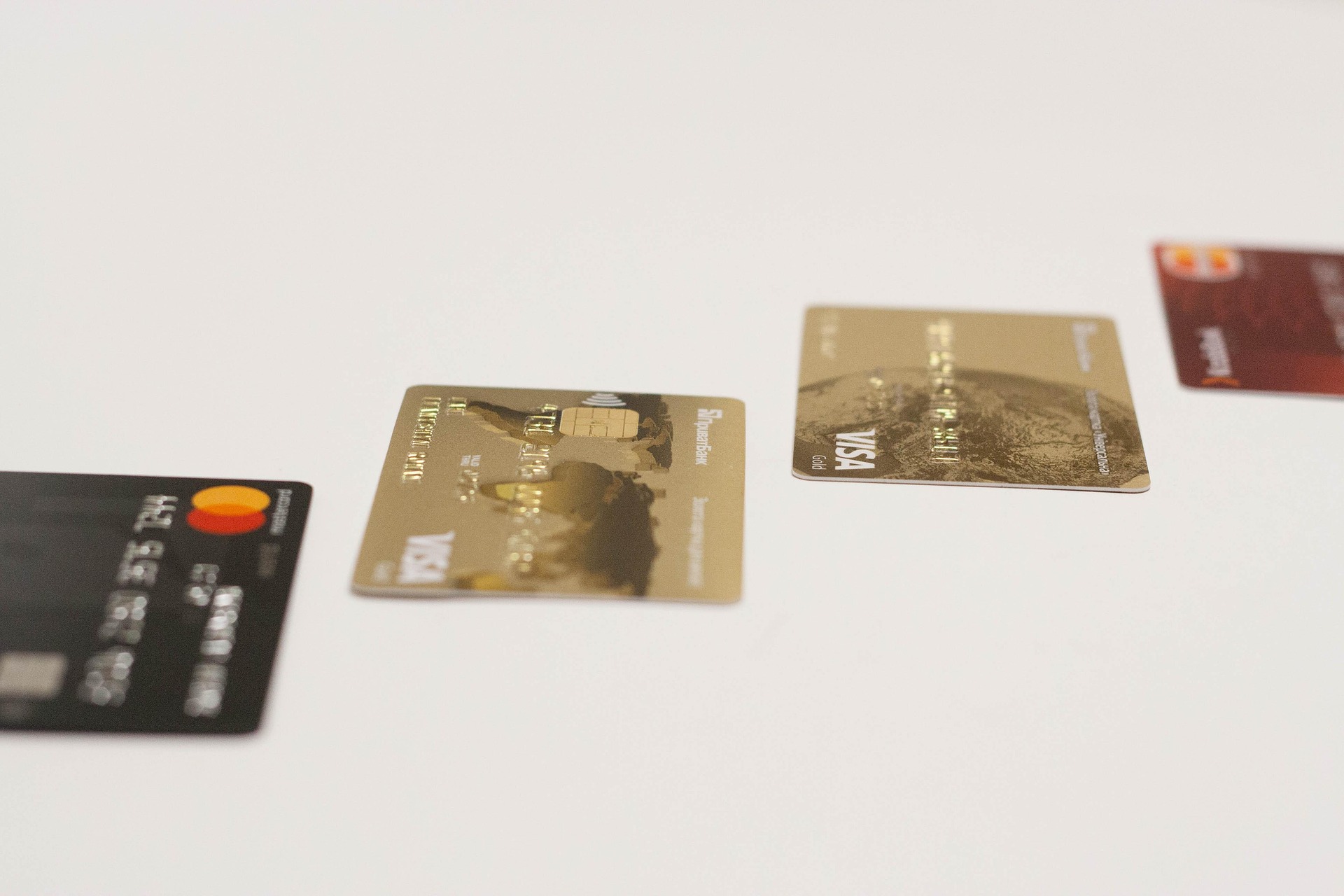
When you need to borrow money, choosing between a personal loan and a credit card can be difficult. Both options provide access to funds, but they work in different ways and can have very different costs.
A personal loan typically provides a fixed amount of money that you repay through scheduled instalments over a specific period. A credit card, on the other hand, provides a revolving line of credit that you can use repeatedly as you make payments and regain available credit.
Neither option is automatically better for everyone. The right choice depends on how much you need to borrow, how quickly you can repay it, the interest rate available to you, fees, your credit profile, and your overall financial situation.
This guide compares personal loans and credit cards to help you understand their differences and decide which option may be more appropriate for your borrowing needs.
What Is a Personal Loan?
A personal loan is a type of instalment credit. You borrow a specific amount and agree to repay it over a predetermined period.
For example, you might borrow $10,000 and repay it through monthly payments over three or five years.
Personal loans are often unsecured, meaning you do not necessarily need to provide an asset as collateral. However, secured personal loans may also be available from some lenders.
A personal loan may be used for purposes such as:
- Debt consolidation
- Home improvements
- Major purchases
- Emergency expenses
- Moving costs
- Education-related expenses
- Medical or dental costs
- Other eligible personal expenses
The exact permitted uses depend on the lender and loan agreement.
What Is a Credit Card?
A credit card is a revolving credit account.
Instead of receiving one fixed lump sum, you receive a credit limit. You can generally use the card to make purchases up to that limit and then repay some or all of the balance.
As you repay the balance, available credit may become available again.
For example, if your credit limit is $5,000 and you spend $1,000, you generally have $4,000 of available credit remaining. If you repay $500, your available credit may increase accordingly, subject to the card’s terms.
Credit cards can be convenient for everyday spending and short-term borrowing, but carrying a balance can become expensive when interest charges apply.
Personal Loan vs Credit Card: Key Difference
The biggest difference is how the borrowing is structured.
A personal loan is generally:
- Fixed amount
- Fixed repayment schedule
- Fixed or potentially variable interest rate depending on the product
- Specific repayment term
- Instalment-based
A credit card is generally:
- Revolving credit
- Flexible borrowing amount up to a credit limit
- Variable interest rate is common
- No fixed payoff date if the account remains open and payments are made as required
- Minimum monthly payment structure
This fundamental difference affects how each option should be used.
Interest Rates
Interest rate is one of the most important factors to compare.
Personal loans may have lower interest rates than many credit cards, particularly for borrowers with strong credit profiles. However, rates vary significantly between lenders and borrowers.
Credit cards can have relatively high interest rates when balances are carried from one billing period to another.
If you plan to borrow a large amount and repay it over several years, a personal loan may potentially be less expensive than carrying the same balance on a high-interest credit card.
However, you should compare actual offers rather than assuming one product will always be cheaper.
Fixed vs Variable Rates
Personal loans often come with fixed rates, which can make monthly payments easier to predict.
For example, if your loan has a fixed interest rate, the interest rate generally does not change during the agreed repayment period.
Credit cards commonly have variable interest rates, meaning the rate can change according to the card’s terms and applicable benchmark rates.
For borrowers who value predictable payments, a fixed-rate personal loan may offer greater certainty.
Repayment Structure
Personal loans generally have a defined repayment schedule.
If you borrow money for a five-year term, your loan is designed to be paid off through scheduled payments over those five years, assuming you make the required payments.
Credit cards work differently.
You can generally make a minimum payment each month, pay the statement balance in full, or pay another amount above the minimum. If you carry a balance, interest may continue to accrue according to the card’s terms.
This flexibility can be useful, but it can also make it easier to remain in debt for a long time.
Monthly Payments
A personal loan generally comes with a predictable scheduled payment.
That can make budgeting easier because you know how much you are expected to pay each month.
Credit card payments can be less predictable.
The required minimum payment may change based on your outstanding balance and the card’s terms. Paying only the minimum can also extend the time required to eliminate the balance.
If you prefer a structured repayment plan, a personal loan may be more suitable.
Borrowing Flexibility
Credit cards generally offer more flexibility.
You do not usually have to borrow the entire credit limit. You can use only the amount you need and may use the available credit again after repayment.
A personal loan is usually less flexible because you receive a predetermined amount.
For example, if you borrow $10,000 but ultimately need only $7,000, you may still have to repay the full $10,000 plus applicable interest and fees.
For planned borrowing, this may be acceptable. For unpredictable or recurring expenses, revolving credit may offer greater flexibility.
Personal Loans for Large Expenses
A personal loan may make sense when you know exactly how much money you need.
Examples might include:
- A major home improvement
- Debt consolidation
- A large one-time purchase
- Significant moving expenses
- Certain unexpected expenses
The fixed amount and repayment schedule can make it easier to plan.
Instead of continuously carrying a revolving balance, you know the amount borrowed and the expected repayment period.
Credit Cards for Small or Short-Term Purchases
Credit cards may be more convenient for smaller purchases that you expect to repay quickly.
For example, if you can make a purchase and pay the full statement balance by the due date, you may avoid interest on purchases depending on the card’s terms and applicable grace period.
This can make credit cards useful for everyday transactions and short-term spending.
However, you should understand the card’s interest and grace-period rules rather than assuming all purchases are automatically interest-free.
Personal Loan for Debt Consolidation
One common reason people consider personal loans is debt consolidation.
Suppose you have multiple high-interest balances and find a personal loan with a lower overall borrowing cost.
You might use the loan to pay off those balances and then make one scheduled loan payment.
Potential advantages include:
- One regular payment
- A defined repayment term
- Potentially lower interest costs
- Easier debt management
But consolidation is only beneficial if the new loan genuinely reduces the total cost or improves repayment in a meaningful way.
Compare the interest rate, APR, fees, term, and total repayment before proceeding.
Credit Cards for Rewards and Benefits
Credit cards can offer benefits that personal loans generally do not.
Depending on the card, these may include:
- Cashback
- Rewards points
- Travel benefits
- Purchase protections
- Promotional financing
- Other cardholder benefits
These features can be valuable when the card is used responsibly.
However, rewards do not necessarily outweigh interest charges.
If you carry a balance at a high interest rate, the cost of interest can easily exceed the value of rewards.
Fees to Consider
The interest rate is not the only cost.
Personal Loan Fees
Depending on the lender, a personal loan may include:
- Origination fees
- Administration fees
- Late-payment fees
- Returned-payment charges
- Prepayment-related charges in some cases
Credit Card Fees
A credit card may include:
- Annual fees
- Late-payment fees
- Balance-transfer fees
- Cash-advance fees
- Foreign transaction fees
- Other account-specific charges
Always review the complete fee schedule before choosing either option.
Credit Score Requirements
Both personal loans and credit cards can have credit requirements.
A stronger credit profile may improve your chances of qualifying for favourable terms.
However, lenders and card issuers consider more than your credit score.
They may also evaluate:
- Income
- Existing debt
- Payment history
- Employment
- Credit history
- Loan amount
- Requested credit limit
- Other financial information
Do not assume that a specific score guarantees approval.
Credit Score Impact
Both products can affect your credit profile.
When you apply, the lender or card issuer may perform a credit inquiry. Opening a new account can also change factors such as your total available credit, account age, and debt balances.
Once you have an account, responsible payments can contribute positively to your credit history.
Late payments, high revolving balances, and excessive debt can have negative consequences.
The most important principle is to borrow only what you can comfortably manage and make payments on time.
Personal Loan vs Credit Card for Emergency Expenses
The better option for an emergency depends on the size and urgency of the expense and the terms available to you.
A credit card may be convenient if the expense is relatively small and you can repay the balance quickly.
A personal loan may be worth considering for a larger expense that needs to be repaid over a longer period, particularly if the loan offers a lower overall borrowing cost.
However, if the emergency is caused by a lack of savings, taking on debt may create longer-term financial pressure.
Building an emergency fund can help reduce the need for high-cost borrowing in the future.
Personal Loan vs Credit Card for Home Improvements
For a significant home improvement project with a known budget, a personal loan may offer a more structured repayment solution.
For a smaller project, a credit card could potentially be convenient if you can repay the balance quickly or qualify for a genuinely useful promotional offer.
Before using either option, calculate the total cost and make sure the monthly payment fits your budget.
Personal Loan vs Credit Card for Large Purchases
If you are planning a large purchase, compare the available financing options carefully.
A personal loan provides a fixed amount and defined repayment schedule.
A credit card provides greater flexibility, but carrying a large balance for an extended period can become expensive.
If the purchase can be postponed, saving money first may be a less expensive alternative to borrowing.
Personal Loan vs Credit Card for Debt Consolidation
A personal loan may be more appropriate for debt consolidation when:
- You have multiple debts
- The new loan has a lower effective cost
- You want one predictable monthly payment
- You want a defined payoff date
- You can avoid accumulating new debt
A credit card balance transfer may also be an option in some circumstances, particularly if you qualify for a promotional interest rate.
However, balance transfers can involve fees, promotional periods eventually end, and eligibility varies.
Always compare the complete cost.
What About Balance Transfers?
Some credit cards offer promotional balance-transfer rates.
A borrower may transfer existing credit card debt to another card and potentially pay a lower interest rate for a limited period.
This can be useful under the right circumstances, but you should check:
- Balance-transfer fee
- Promotional rate
- Length of promotional period
- Regular rate after promotion
- Credit limit
- Payment requirements
A balance transfer is not free money. It is another form of borrowing that needs a repayment plan.
The Importance of Repayment Discipline
Regardless of whether you choose a personal loan or credit card, repayment discipline matters.
For a personal loan, missing payments can result in fees and potentially damage your credit history.
For a credit card, carrying a balance for a long period can result in substantial interest costs.
The best borrowing option is one that you can repay consistently.
Personal Loan vs Credit Card: A Simple Comparison
| Feature | Personal Loan | Credit Card |
|---|---|---|
| Credit type | Instalment credit | Revolving credit |
| Borrowing amount | Usually fixed | Flexible up to credit limit |
| Repayment | Fixed schedule | Flexible/minimum payment |
| Loan term | Defined | Usually no fixed payoff date |
| Interest | Often fixed, depending on product | Often variable |
| Large expenses | Often suitable | Can be expensive if balance is carried |
| Small purchases | Less flexible | Convenient |
| Rewards | Usually none | May offer rewards |
| Debt payoff | Defined end date | Can continue indefinitely |
| Fees | Depends on lender | Depends on card |
| Best use | Planned larger borrowing | Flexible or short-term spending |
When a Personal Loan May Be Better
A personal loan may be a better choice when:
- You need a specific amount of money.
- You want a fixed repayment schedule.
- You need several years to repay the balance.
- The personal loan has a lower cost than your alternative.
- You want a clear payoff date.
- You are consolidating high-cost debt.
- You prefer predictable monthly payments.
Before accepting one, compare the actual interest rate, APR, fees, and total repayment.
When a Credit Card May Be Better
A credit card may be more appropriate when:
- You need a relatively small amount.
- You can repay the balance quickly.
- You value flexible borrowing.
- You want to make recurring purchases.
- You can qualify for useful promotional financing.
- You can benefit from rewards without carrying expensive debt.
However, avoid using a credit card as a long-term borrowing solution if the interest rate is high and you are only making minimum payments.
When Neither Option May Be Appropriate
Sometimes the best financial decision is not to borrow.
Consider alternatives if:
- The purchase is not essential.
- You cannot comfortably afford the repayment.
- You already have substantial debt.
- The available interest rate is extremely high.
- You have no emergency savings.
- Borrowing would cause you to miss essential bills.
- You are taking new debt simply to cover existing debt payments.
You might consider delaying the purchase, saving first, negotiating a payment plan, or looking for a lower-cost alternative.
Questions to Ask Before Choosing
Before borrowing money, ask yourself:
- How much do I actually need?
- How quickly can I repay it?
- What interest rate am I being offered?
- What is the APR?
- What fees apply?
- What will I repay in total?
- Can I comfortably afford the monthly payment?
- What happens if my income decreases?
- Am I using the money for a necessary expense?
- Is there a cheaper way to fund the purchase?
- Will this borrowing help or hurt my long-term financial goals?
- Can I repay the debt without relying on additional borrowing?
These questions can help you avoid choosing a financial product simply because it is convenient.
Final Verdict: Personal Loan or Credit Card?
There is no universal winner between a personal loan and a credit card.
A personal loan may be better for a large, planned expense that you want to repay through predictable instalments over a defined period. It can also be useful for debt consolidation when the overall cost is genuinely lower.
A credit card may be better for smaller, short-term purchases when you can repay the balance quickly and use the card responsibly. Credit cards can also provide useful rewards and flexibility.
The most important factor is not whether a product is labelled a personal loan or credit card. It is the total cost and whether the borrowing fits your financial situation.
Compare the actual interest rate, APR, fees, repayment period, monthly payment, and total amount you will repay. Then consider your budget and how quickly you expect to eliminate the debt.
If you cannot comfortably afford the repayment, neither option is likely to be a good choice.
Final Thoughts
Personal loans and credit cards are both useful financial tools, but they serve different purposes.
A personal loan generally provides structure: a fixed amount, scheduled payments, and a defined repayment period. This can make it useful for larger expenses and borrowers who want a clear debt payoff plan.
Credit cards provide flexibility: you can borrow as needed up to your credit limit and potentially use the account repeatedly. This can make them convenient for everyday spending and short-term borrowing, particularly when balances are paid according to the card’s terms.
However, convenience can become expensive if you carry a high-interest balance for a long period.
Before borrowing, compare multiple options and calculate the total cost. Do not focus solely on the monthly payment or advertised interest rate. Consider fees, repayment terms, your credit profile, and your ability to repay the debt.
Ultimately, the better option is the one that meets your borrowing needs at a manageable cost without putting your long-term financial stability at risk.
Leave a Reply