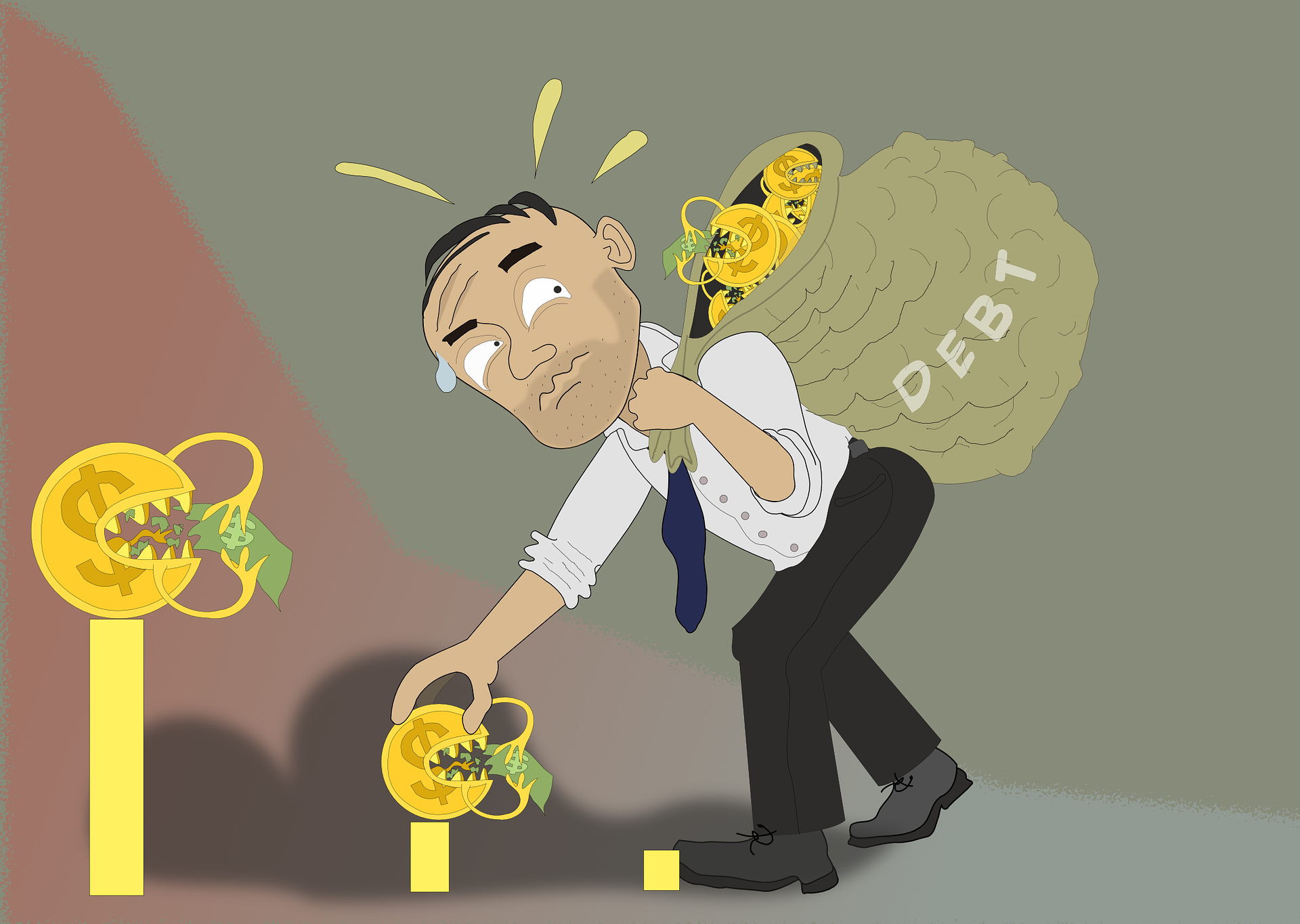
Personal loans can be useful financial tools when they are used responsibly. They may help you cover a large expense, consolidate high-interest debt, manage an unexpected bill, or fund an important personal project. However, borrowing money also creates a financial obligation that must be managed carefully.
Many borrowers focus primarily on getting approved and receiving the money quickly. They may overlook interest rates, fees, repayment terms, or whether the monthly payment genuinely fits their budget. These mistakes can make a loan much more expensive than expected and may create financial difficulties later.
The good news is that most common personal loan mistakes can be avoided with careful planning. Before accepting a loan, take time to understand the costs, compare different offers, and make sure the repayment plan works with your overall financial situation.
This guide explains the most common personal loan mistakes and practical ways to avoid them.
1. Borrowing More Than You Need
One of the most common mistakes is taking a larger loan simply because a lender approves it.
If you need $5,000 but qualify for $15,000, borrowing the full amount may seem tempting. However, every additional dollar borrowed can increase your interest costs and monthly financial obligations.
Before applying, calculate the exact amount required.
Ask yourself:
- What is the money needed for?
- How much will the expense actually cost?
- Can I cover part of it with savings?
- Do I need to borrow the entire amount?
Borrowing only what you need can reduce the total cost of the loan and make repayment easier.
2. Focusing Only on the Monthly Payment
A low monthly payment can make a loan look attractive, but it does not necessarily mean the loan is inexpensive.
A lender can reduce your monthly payment by extending the repayment period.
For example, a five-year loan may have a lower monthly payment than a three-year loan for the same amount. However, the five-year loan could result in more interest being paid over time.
When comparing loans, look at:
- Monthly payment
- Interest rate
- APR
- Loan term
- Total interest
- Fees
- Total repayment amount
The goal is to understand the complete cost rather than focusing on one number.
3. Ignoring the Interest Rate
Interest is one of the biggest costs associated with borrowing.
A small difference in interest rates can have a meaningful effect when a loan is repaid over several years.
Before accepting a loan, compare the rate with offers from other reputable lenders.
Remember that advertised rates may only be available to borrowers who meet specific eligibility criteria.
Your actual rate may depend on your credit profile, income, loan amount, repayment term, and other factors.
4. Not Comparing Multiple Lenders
Accepting the first loan offer you receive can be expensive.
Different lenders may offer different:
- Interest rates
- APRs
- Loan amounts
- Repayment periods
- Fees
- Eligibility requirements
- Customer-service standards
Take time to compare several options.
Where available, prequalification can help you compare potential offers before making a formal application. Check whether the lender uses a soft or hard credit inquiry during the process.
5. Ignoring Loan Fees
Interest is not necessarily the only cost of a personal loan.
Depending on the lender, you could encounter:
- Origination fees
- Administration fees
- Late-payment charges
- Returned-payment fees
- Prepayment charges
- Other service fees
A loan with a low advertised interest rate may still be expensive if it comes with significant fees.
Always read the fee schedule and calculate how fees affect the total borrowing cost.
6. Failing to Read the Loan Agreement
Never sign a loan agreement without understanding the important terms.
The advertisement or application page may not contain every condition.
Read the complete agreement and pay attention to:
- Interest rate
- APR
- Payment schedule
- Loan term
- Fees
- Late-payment rules
- Default conditions
- Prepayment terms
- Rate-change provisions
- Automatic payment conditions
If you do not understand a clause, ask the lender to explain it before accepting the loan.
7. Choosing a Loan That Does Not Fit Your Budget
Loan approval does not automatically mean affordability.
A lender may approve a payment that is technically manageable according to its criteria but uncomfortable for your household budget.
Before borrowing, calculate:
Monthly income − essential expenses − existing debt − savings − other regular expenses
The remaining amount should provide enough room for the proposed loan payment and unexpected expenses.
Avoid taking a loan that leaves you with no financial buffer.
8. Forgetting About Existing Debt
A new personal loan should be evaluated alongside your existing financial commitments.
If you already have:
- Credit card balances
- Car financing
- Student debt
- Existing personal loans
- Buy-now-pay-later accounts
- Other monthly obligations
adding another payment may create significant financial pressure.
Calculate your total monthly debt payments before applying.
You should also consider your debt-to-income ratio, which compares monthly debt obligations with gross monthly income.
9. Taking a Loan Without an Emergency Fund
Unexpected expenses can occur at any time.
If you have no emergency savings, a personal loan payment may become difficult to manage when something goes wrong.
For example, you could suddenly face:
- Vehicle repairs
- Home maintenance
- Medical bills
- Temporary income loss
- Emergency travel
- Unexpected household expenses
If possible, maintain an emergency fund while repaying your loan.
Even a modest financial cushion can provide greater flexibility.
10. Applying for Too Many Loans
Shopping around is sensible, but submitting many formal applications without researching lenders first may create unnecessary credit inquiries.
Instead:
- Research lenders.
- Compare basic eligibility requirements.
- Review rates and fees.
- Use prequalification where available.
- Narrow your choices.
- Submit formal applications selectively.
Always check how each lender’s credit-check process works.
11. Taking a Loan With a Very Long Repayment Term
A longer repayment period can make your monthly payment smaller, but it can also increase your total interest cost.
Suppose you borrow $10,000.
A three-year term may require larger monthly payments but could result in less total interest.
A six-year term may have a lower monthly payment but keep you in debt much longer.
Choose a repayment period that balances affordability with total cost.
Do not select a very long term solely because the payment looks comfortable.
12. Choosing the Shortest Term Without Checking Your Budget
The opposite mistake is choosing an extremely short repayment period simply to minimise interest.
A shorter term can reduce total interest, but it increases the required monthly payment.
If the payment becomes too large, you may struggle to cover essential expenses or build savings.
The best repayment term is not necessarily the shortest one available. It should be short enough to avoid unnecessary interest while still leaving your budget with enough flexibility.
13. Missing or Making Late Payments
Late payments can result in additional fees and may negatively affect your credit history.
Before taking the loan, make sure you know:
- Payment due date
- Payment amount
- Payment method
- Late-payment policy
- Grace period, if any
Set reminders or use automatic payments if appropriate.
If you think you may miss a payment, contact the lender as soon as possible rather than ignoring the problem.
14. Using a Personal Loan for Unnecessary Spending
Borrowing money for essential expenses can sometimes be reasonable.
However, taking on long-term debt for unnecessary purchases can create financial pressure.
Before borrowing, ask:
Do I really need this expense now, or can I wait and save for it?
If you can delay the purchase and save the money, that may be cheaper than paying interest.
Borrowing should have a clear purpose and a realistic repayment plan.
15. Using New Debt to Pay Old Debt Without a Plan
Debt consolidation can sometimes be helpful, but repeatedly taking new loans to cover existing payments can create a debt cycle.
If you take a personal loan to pay off credit cards but then accumulate new credit card balances, you could end up with both the loan and new revolving debt.
Before consolidating, consider why the original debt accumulated.
A successful consolidation strategy should address both the debt and the spending or budgeting problem behind it.
16. Assuming Debt Consolidation Is Always Cheaper
A personal loan for debt consolidation may have a lower interest rate than your existing debt, but that does not automatically mean it will save money.
Compare:
- Current balances
- Current interest rates
- New interest rate
- Loan fees
- Repayment term
- Monthly payment
- Total interest
- Total repayment
A longer repayment term can sometimes make the total cost higher even when the new interest rate is lower.
Calculate the complete cost before consolidating.
17. Ignoring Your Credit Score
Your credit profile can influence the loan terms you receive.
Before applying, review your credit report where available.
Check for:
- Incorrect information
- Unrecognised accounts
- Incorrect payment history
- High revolving balances
- Other issues
If you find inaccurate information, follow the appropriate dispute process.
Improving your credit profile before applying may help you qualify for better terms, although no particular score guarantees approval or a specific interest rate.
18. Applying Without Checking Your Credit Report
Applying for a loan without first reviewing your credit report can result in unpleasant surprises.
You may discover that:
- Your score is lower than expected.
- A payment was incorrectly reported as late.
- An account you do not recognise appears on the report.
- Your credit card balances are high.
- Information is outdated or inaccurate.
Reviewing your credit information in advance gives you an opportunity to address problems before submitting an application.
19. Accepting a Variable Rate Without Understanding It
Some loans may have variable interest rates.
If the rate can change, your borrowing costs could change according to the terms of the loan.
A lower initial rate may seem attractive, but you need to understand what happens if rates rise.
Before accepting a variable-rate loan, ask:
- How often can the rate change?
- What determines the rate?
- Is there a maximum rate?
- Can the monthly payment increase?
- What would happen to my budget if the rate rises?
If you prefer predictable payments, understand whether a fixed-rate alternative is available.
20. Ignoring Prepayment Conditions
Some borrowers want to repay their loans early to save interest.
However, certain loans may have early repayment or prepayment conditions.
Before signing, ask whether you can:
- Make additional payments
- Pay extra toward principal
- Repay the loan early
- Make larger occasional payments
Also ask whether any fees apply.
If there is a prepayment penalty, include it in your calculation when comparing lenders.
21. Not Checking How Extra Payments Are Applied
Making an extra payment does not necessarily mean the money will be applied in the way you expect.
Ask your lender how additional payments are handled.
If your goal is to reduce interest, you generally want extra money to reduce the outstanding principal according to the loan’s payment rules.
Check whether extra payments:
- Reduce principal
- Advance your next due date
- Are applied to fees or interest first
- Change the repayment schedule
Understanding the process can help you use additional payments effectively.
22. Falling for “Guaranteed Approval” Offers
Be careful with lenders that promise guaranteed approval regardless of your credit history or financial situation.
Legitimate lenders typically assess your financial information before approving a loan.
Warning signs can include:
- Guaranteed approval claims
- Extremely high costs
- Pressure to act immediately
- Unclear fees
- Requests for unusual upfront payments
- Poor transparency
- Suspicious requests for personal information
Research lenders carefully before providing financial details.
23. Paying Suspicious Upfront Fees
Be particularly cautious if someone demands a large upfront payment before releasing a promised loan.
While legitimate lenders can charge certain fees under their terms, unexpected or suspicious requests should be investigated carefully.
Before paying anything, verify:
- Who the lender is
- Whether it is appropriately authorised or regulated
- What the fee is for
- Whether it appears in the loan agreement
- Whether the company has a legitimate business presence
Never allow urgency or financial pressure to prevent you from researching a lender.
24. Ignoring the Total Repayment Amount
The total repayment amount tells you how much money will leave your pocket over the life of the loan, including principal and applicable borrowing costs.
For example, you may borrow $10,000 but repay $12,000 over the full term.
That additional $2,000 represents the cost of borrowing, subject to the loan’s specific fees and terms.
Always compare total repayment amounts when evaluating loan offers.
25. Choosing a Loan Based on Advertising Alone
Advertisements are designed to attract attention.
A lender might advertise:
“Rates from 6.99%.”
But that does not mean every borrower will receive 6.99%.
The actual offer may depend on:
- Credit history
- Income
- Loan amount
- Loan term
- Debt levels
- Lender requirements
Treat advertised rates as starting points and focus on the terms you personally qualify for.
26. Failing to Consider Your Future Financial Situation
A loan payment that is affordable today may become difficult later.
Think about upcoming changes such as:
- Moving house
- Changing jobs
- Starting a business
- Family changes
- Education expenses
- Retirement
- Major planned purchases
If you anticipate significant financial changes, maintain a larger buffer before committing to a loan.
27. Not Having a Repayment Strategy
Before borrowing, decide exactly how you will repay the loan.
Know:
- Your payment date
- Your monthly payment
- Your repayment term
- Your source of payment
- Your strategy for unexpected expenses
- Whether additional payments are possible
A clear repayment plan can help prevent missed payments and financial stress.
28. Taking a Loan Before Comparing Alternatives
A personal loan is not your only possible source of financing.
Depending on your situation, alternatives may include:
- Saving before making the purchase
- Negotiating a payment plan
- Using existing savings responsibly
- Comparing different credit products
- Delaying a non-essential purchase
- Seeking professional financial guidance
Compare the costs and risks of each option before deciding.
A Personal Loan Mistake-Prevention Checklist
Before accepting a loan, review the following:
- Calculate exactly how much you need.
- Check your credit report.
- Compare multiple lenders.
- Compare interest rates and APRs.
- Review all fees.
- Calculate the total repayment amount.
- Check the repayment period.
- Make sure the monthly payment fits your budget.
- Consider your existing debt.
- Check whether the rate is fixed or variable.
- Review prepayment conditions.
- Understand late-payment rules.
- Research the lender’s reputation.
- Avoid suspicious guaranteed-approval offers.
- Read the complete loan agreement.
- Create a repayment plan before borrowing.
How to Choose a Personal Loan Responsibly
Avoiding mistakes becomes easier when you follow a structured process.
Step 1: Determine Your Need
Identify why you need the money and calculate the exact amount required.
Step 2: Review Your Budget
Determine whether the potential payment fits comfortably within your monthly finances.
Step 3: Check Your Credit Profile
Review your credit report and address inaccurate information.
Step 4: Compare Lenders
Research several reputable lenders and compare their offers.
Step 5: Review the Complete Cost
Consider the interest rate, APR, fees, repayment period, and total repayment amount.
Step 6: Read the Agreement
Make sure you understand every important condition before signing.
Step 7: Borrow Only What You Can Repay
Do not allow the maximum approved amount to determine how much you borrow.
Step 8: Create a Repayment Plan
Know how you will make every payment and what you will do if your financial situation changes.
Final Thoughts
Personal loans can be useful when they are carefully planned and responsibly managed, but mistakes can make borrowing much more expensive than expected.
The most important step is to avoid rushing into a loan simply because you have been approved. Take time to determine exactly how much you need, review your budget, compare lenders, and understand the complete cost.
Do not focus only on the monthly payment. Consider the interest rate, APR, fees, repayment term, and total amount you will repay. Make sure the payment fits comfortably within your budget and leaves enough room for savings and unexpected expenses.
You should also review your credit profile, research the lender, and carefully read the loan agreement before accepting an offer.
Most importantly, remember that loan approval is not the same as affordability. A lender may be willing to lend you a certain amount, but you are responsible for deciding whether that debt fits your financial goals.
By avoiding common mistakes such as borrowing too much, ignoring fees, choosing excessively long repayment terms, missing payments, and failing to compare alternatives, you can make more informed borrowing decisions and reduce the risk of unnecessary financial stress.
A personal loan should be a financial tool—not a source of long-term financial pressure. Careful planning, realistic budgeting, and responsible repayment can help you use borrowed money more effectively.
Leave a Reply